








Upon first hearing Blue Öyster Cult’s “(Don’t Fear) The Reaper”, one may be struck by its haunting melody and intriguing lyrics. Released in 1976 on their album “Agents of Fortune”, the song has cemented itself into the annals of rock history as a contemplative anthem of love, death, and inevitability.
Written and sung by lead guitarist Donald “Buck Dharma” Roeser, the song spins a narrative that’s not often brought to the forefront of rock music — a tale of life’s impermanence and the omnipresence of death. It’s this combination of fatalism and romanticism that makes the song so compelling, a poignant reminder that life is transient but love is eternal.
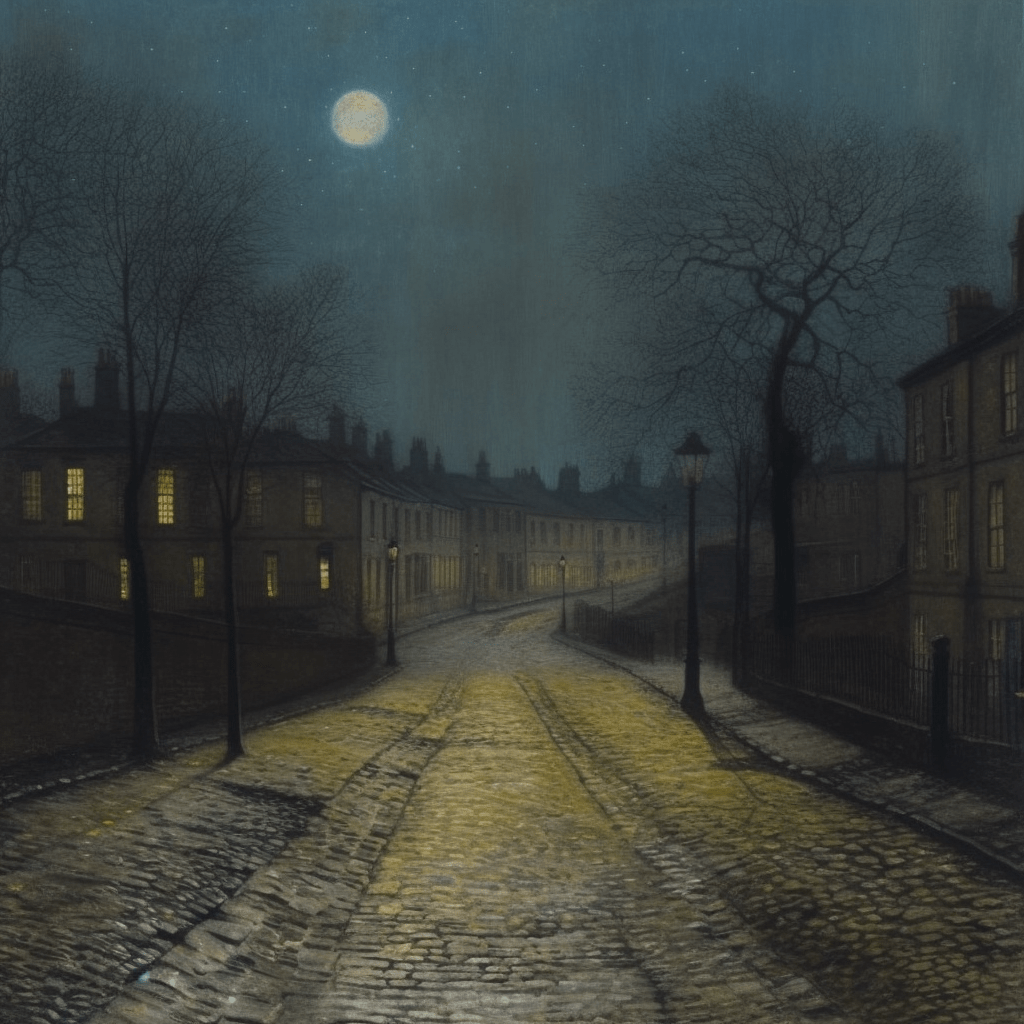
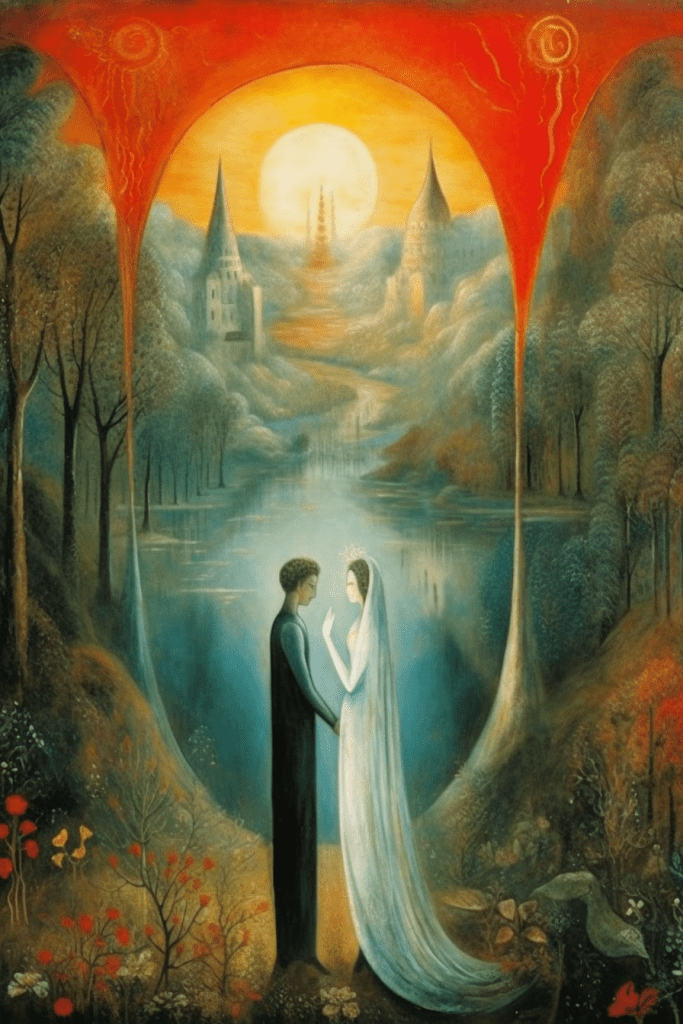
The lyrics of “(Don’t Fear) The Reaper” convey these themes through references to Shakespeare’s ill-fated lovers, Romeo and Juliet, symbolizing a love that transcends time and death itself. Roeser cleverly constructs a narrative around the universality of death, appealing to natural elements like the wind, sun, and rain, which carry on, unperturbed by the grim reaper. This metaphorical interpretation of the seasons resonates deeply with our shared human experience, suggesting a continuity and cyclicity that is comforting in its steadiness.
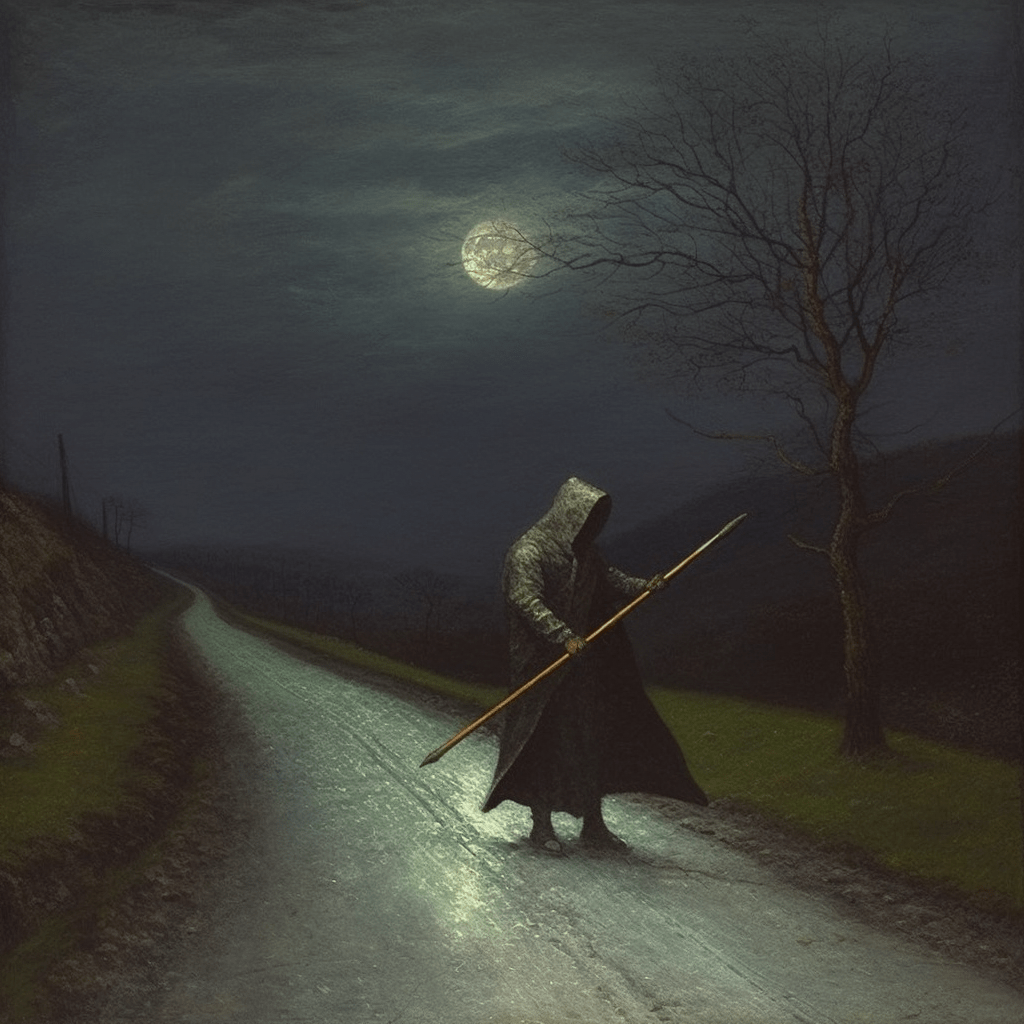
Interwoven throughout the song is a comforting refrain: the repeated call to “not fear the reaper”. This chorus underscores the message of accepting mortality without dread. Roeser has said in interviews that the song was his way of expressing the belief that we should not fear death since it is a natural part of life’s cycle.
Emotionally, the song creates a compelling tension between melancholy and acceptance, evoking feelings of introspection, resignation, and in a sense, a strange sort of comfort. There’s a quiet serenity to the way Roeser sings about such weighty matters, as if trying to put us at ease with our existential anxieties.
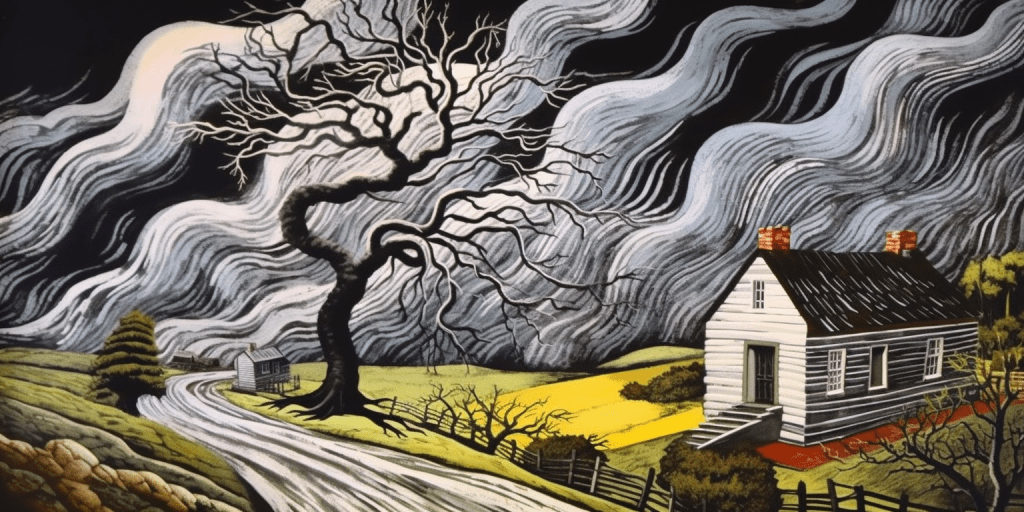
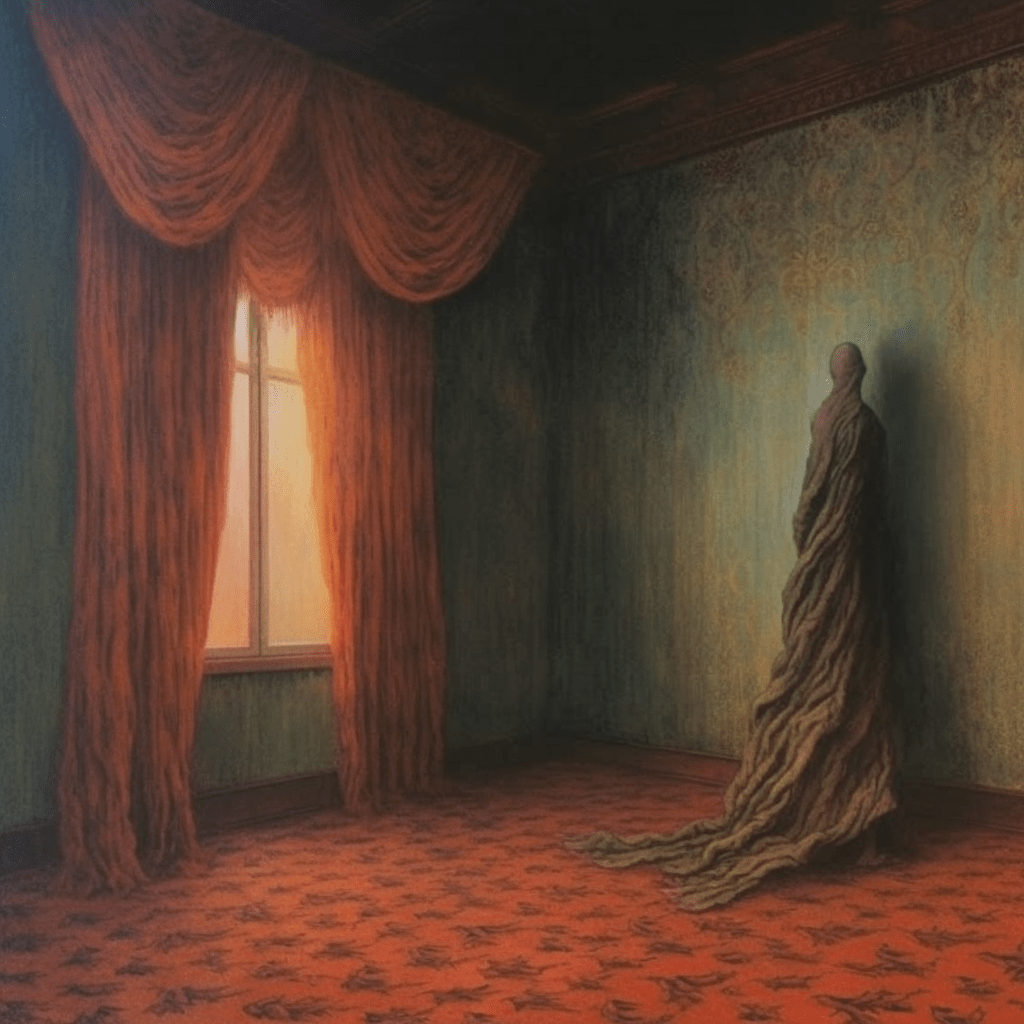
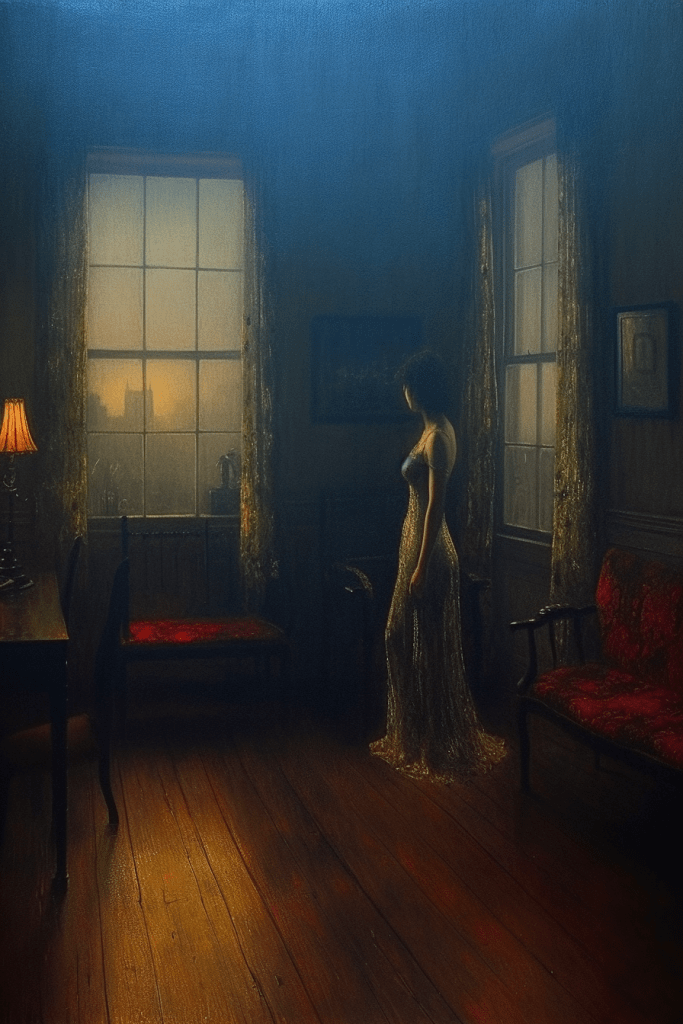
The imagery in the song is powerful and vivid, further enhancing the emotional resonance. The lines, “Came the last night of sadness / And it was clear she couldn’t go on / Then the door was open and the wind appeared / The candles blew then disappeared / The curtains flew then he appeared / Saying don’t be afraid” paint a potent picture of transition from life to death, further emphasizing the ethereal nature of existence.
Despite its darker undertones, “(Don’t Fear) The Reaper” is often seen as a song of hope, encouraging listeners to confront and embrace the inevitability of death as part of the human experience. Rather than dwelling on the morose, the song’s narrative pushes us towards an acceptance and understanding of our own mortality.
Blue Öyster Cult’s “(Don’t Fear) The Reaper” remains a profound piece of musical artistry, a testament to the band’s ability to weave complex themes of mortality, love, and acceptance into a melody that is as haunting as it is beautiful. It’s a song that not only strikes a chord but also stimulates contemplation, prompting us to examine our own perceptions of life, death, and the space between.

 Imagine Music AI