





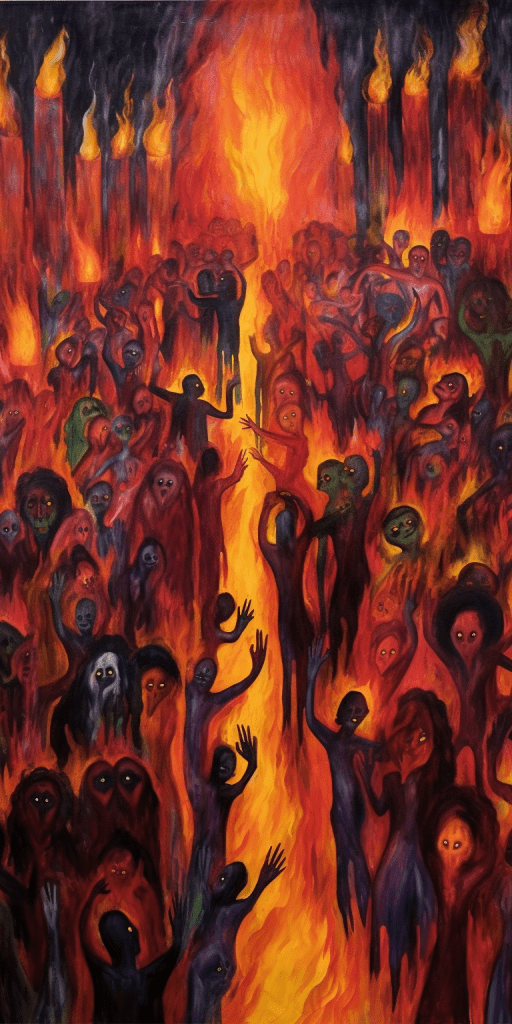
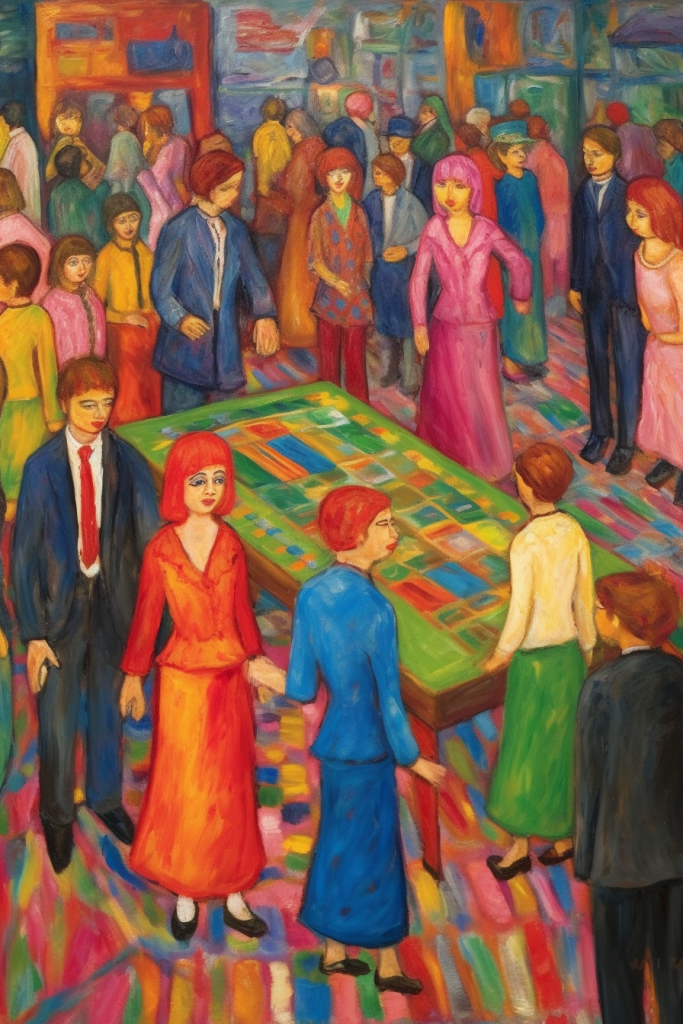
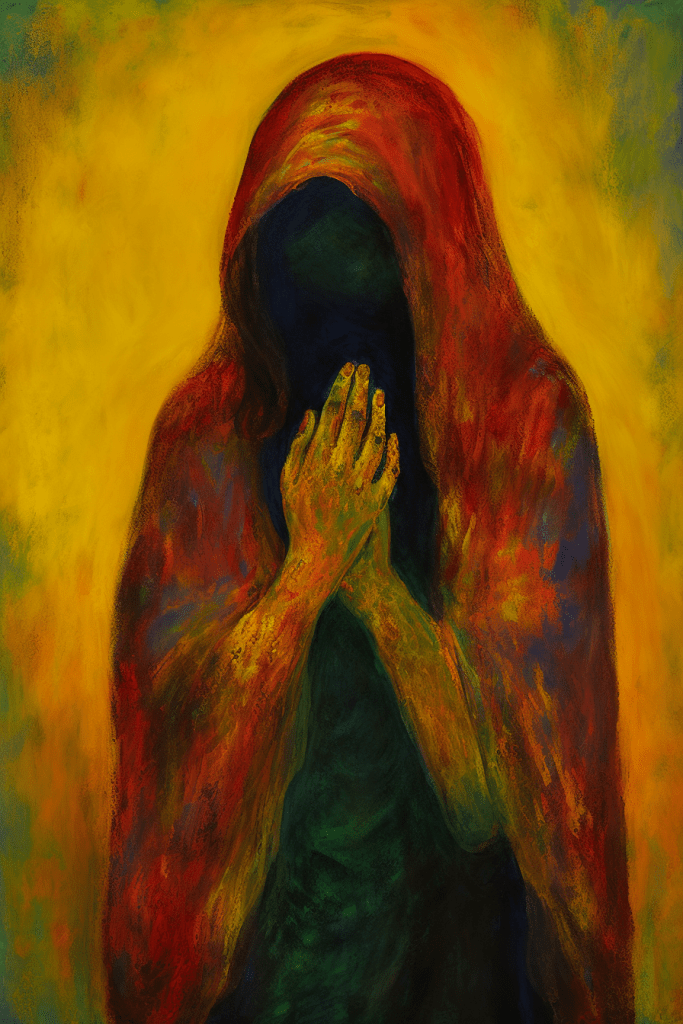



In the realm of choral music, there are few pieces as evocative and impactful as “O Fortuna” from Carl Orff’s “Carmina Burana”. This piece, composed by Orff in 1935-1936, is much more than a captivating choral spectacle; it’s a masterful fusion of ancient verse and modern symphony that delves deep into themes of fate, power, and life’s cyclical nature.
“O Fortuna” is derived from a larger collection of medieval poems and songs known as the Carmina Burana. The lyrics of “O Fortuna” were originally written in Latin and focus on the unpredictable nature of Fortune, a personification of luck and fate. Orff’s musical adaptation of the poem does a brilliant job of capturing the raw and poignant emotions expressed in these verses.
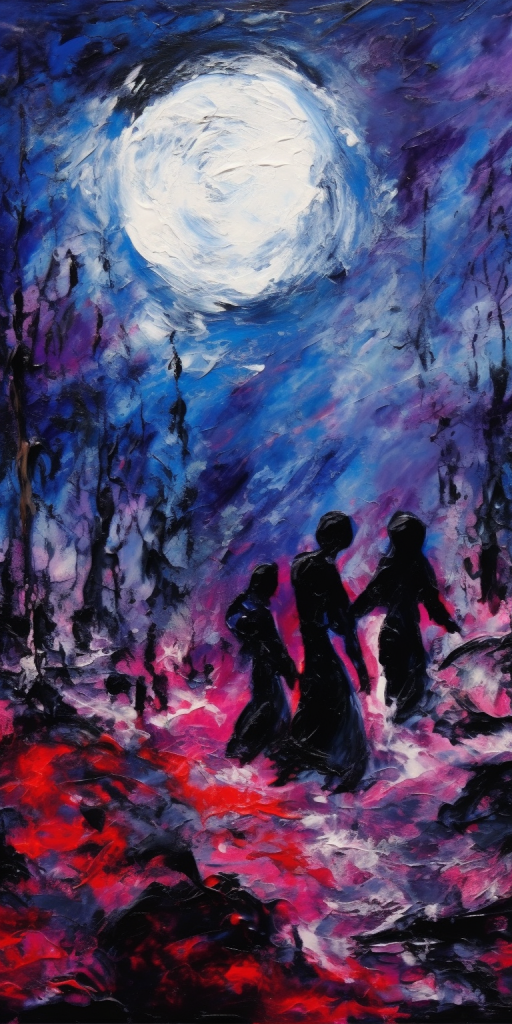
Orff’s “O Fortuna” begins with a commanding orchestral and choral salvo, setting a tone of epic drama. The opening lines describe Fortune, likening it to the moon that’s perpetually changing, waxing, and waning. This evokes a sense of constant flux and unpredictability, effectively mirroring the inconstant and often capricious nature of life itself.
The second verse describes life as detestable, alternating between oppression and appeasement—a true reflection of the highs and lows one often encounters. The lyrics further express the frustration that comes from the powerlessness and vulnerability one can feel when life’s circumstances seem as volatile and uncontrollable as melting ice.
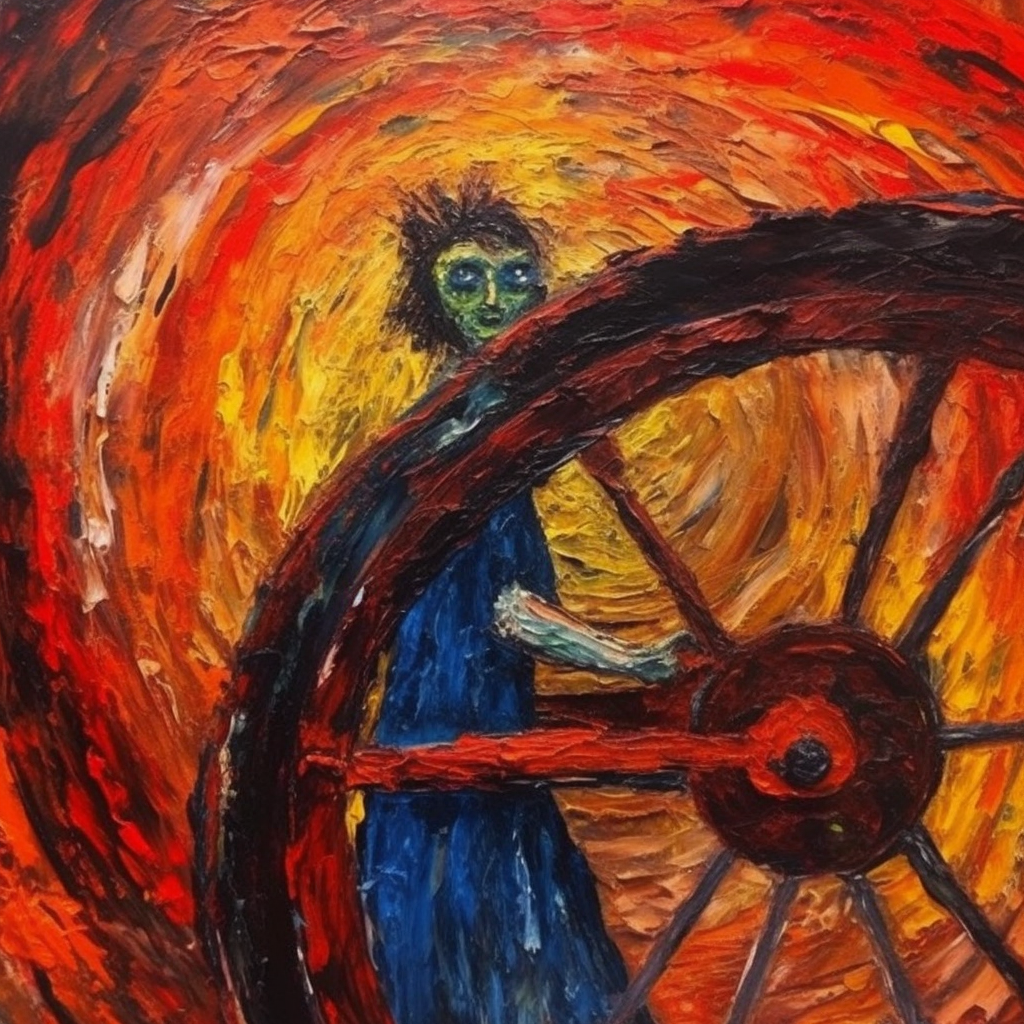
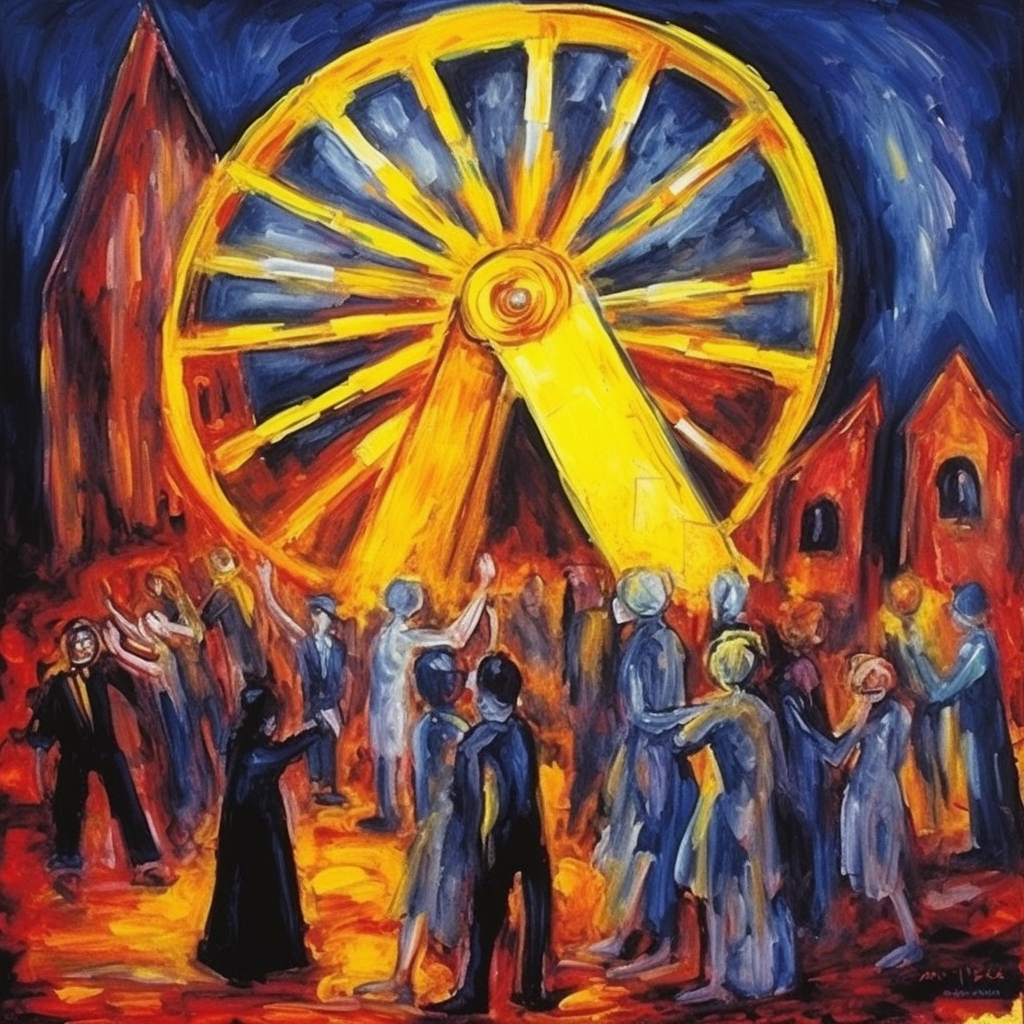
In the second half of “O Fortuna”, the lyrics address Fortune directly, describing it as monstrous and empty, turning on a whim. The wheel of fortune mentioned is an ancient symbol of the unpredictable nature of fate, reflecting the ups and downs that individuals are subjected to in life. The vivid image of the ever-turning wheel, coupled with Orff’s intense musicality, encapsulates a sense of the human struggle against the unpredictable and often merciless wheel of destiny.
In the last verses, there is a cry for empathy as the speaker bemoans the whims of fate that have led to a downfall. The lyrics end with a plea for all to weep, encapsulating a shared sense of despair and communal sorrow. Orff’s music resonates with this plea, culminating in a grand and mournful finale that leaves the listener in awe of the raw power of the piece.
Orff’s “O Fortuna” is a deeply symbolic and emotive piece of music that connects with listeners on multiple levels. The themes of life’s unpredictability, the unfathomable nature of fate, and the shared human experience of joy and sorrow are conveyed not only through the profound lyrics but also the stirring orchestration.
Despite its medieval origins, “O Fortuna” resonates strongly with contemporary audiences. Its universal themes and powerful imagery echo in the hearts of listeners, reflecting the shared human experience that transcends time and space. And so, Orff’s “O Fortuna” continues to captivate, stir, and connect with audiences worldwide, carrying with it the essence of human emotion and the complexities of life’s capricious journey.

 Imagine Music AI