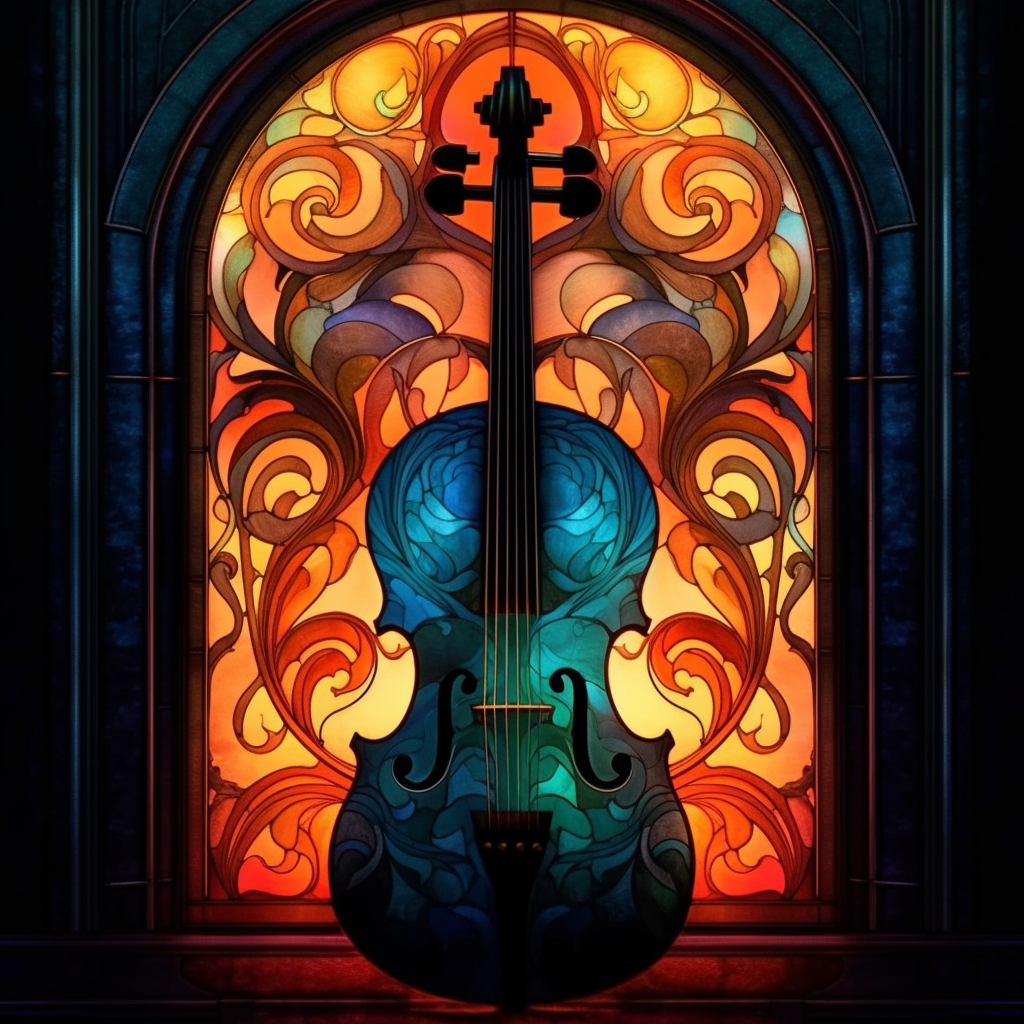

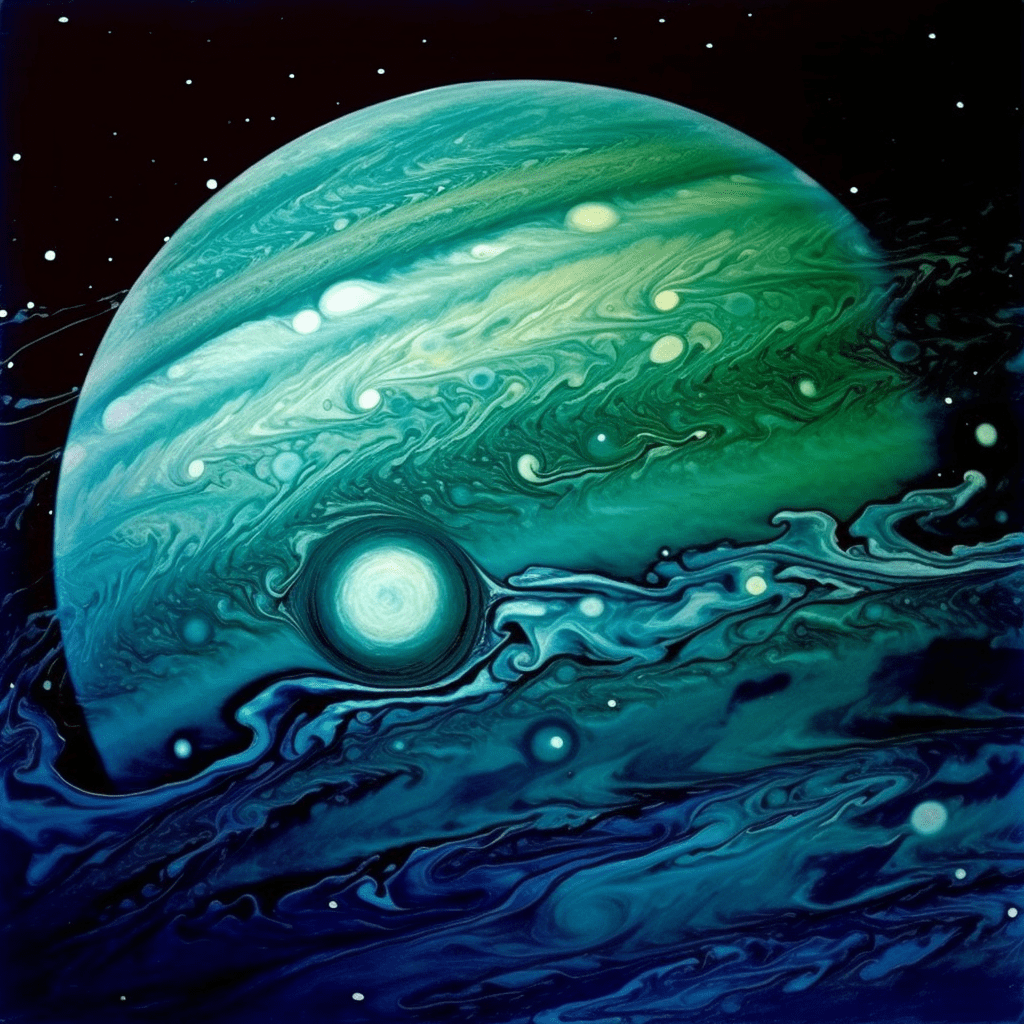















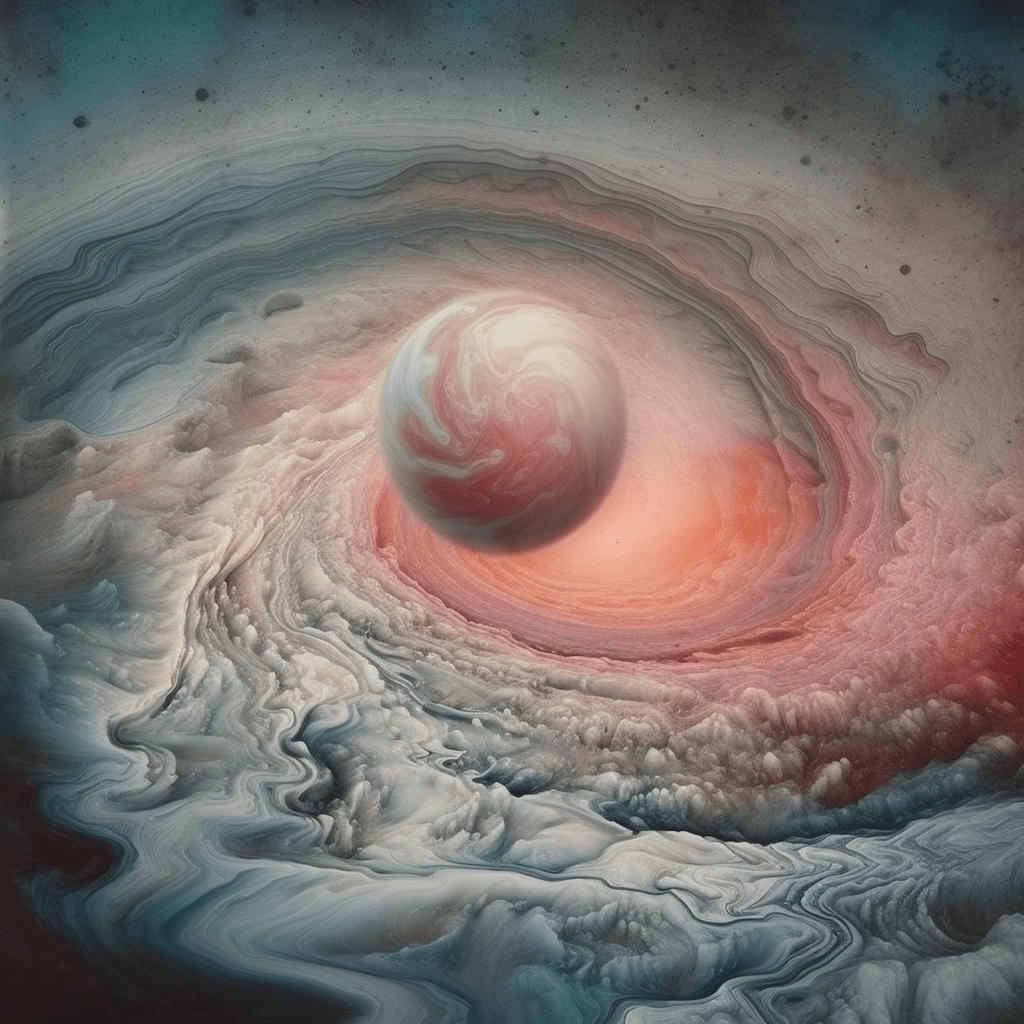





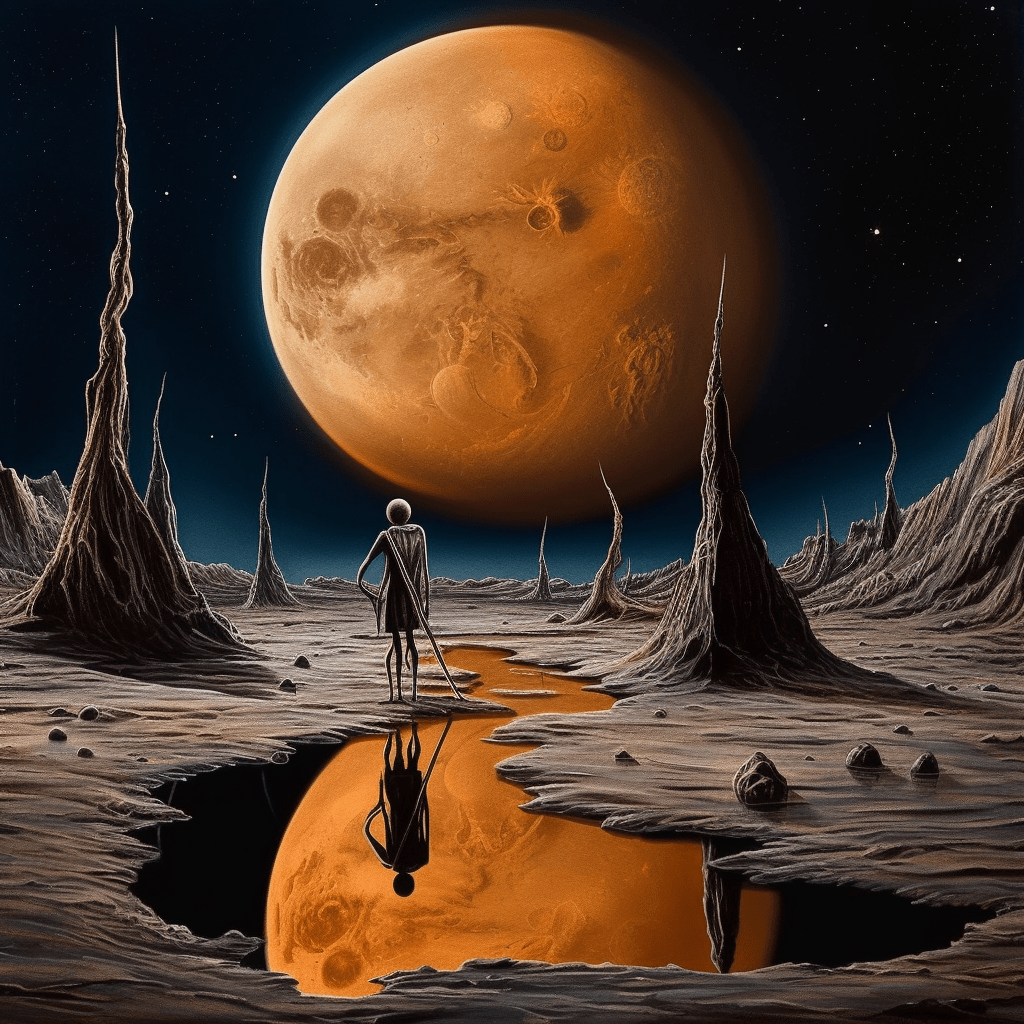
The universe has long served as an inspiration for the arts, and Gustav Holst’s orchestral suite, “The Planets,” is a testament to this profound cosmic influence. At the heart of this suite, Jupiter, The Bringer of Jollity, stands as a unique blend of captivating melody and evocative imagery, effectively transporting listeners to the jovial realm of the largest planet in our solar system.
When Gustav Holst composed “The Planets” between 1914 and 1916, the world was in the grip of tumultuous changes. Amid the chaos of World War I, Holst found solace in astrology and the perceived characteristics of the celestial bodies. Jupiter, known in astrology as the Bringer of Jollity, presented an opportunity to interweave music, mythology, and astronomy.
Holst’s Jupiter presents a journey in three parts, each section delineated by tempo and tonal changes. The opening carries the energy of optimism, reflecting the planet’s association with prosperity and abundance in astrology. A rousing melody, initially introduced by the cellos and bassoons, quickly swells into a jubilant fanfare performed by the entire orchestra, reflecting the energy and largesse associated with the planet Jupiter.
As the piece transitions, a slower, more contemplative melody unfolds. Here, listeners might imagine the majesty of Jupiter from afar, as Holst marries swelling orchestral harmony with woodwind counterpoints that conjure an image of gazing upon the planet’s grandeur from the distant Earth. This meditative section is the heart of Jupiter, imbued with a sense of awe and wonder.
The final section of Jupiter returns to the initial optimism, but with a grander, more expansive feel. The music surges towards an uplifting climax, mirroring the vastness of the planet itself. It is in this part of the composition that the connection between Holst’s fascination with astrology and his musical expression is most evident. The triumphant return of the opening themes signifies Jupiter’s astrological implications of good luck and growth.
Listeners have often reported feeling an emotional journey when listening to Jupiter, The Bringer of Jollity. The music does not merely exist to entertain but creates a visceral and emotional response that parallels the awe-inspiring imagery of our vast cosmos. The grandeur of the orchestra, the alternating moments of jubilance and tranquillity, all serve to encapsulate the spectrum of emotions inspired by space’s infinite expanse.
In conclusion, Gustav Holst’s Jupiter, The Bringer of Jollity, is not merely a piece of music but a musical manifestation of the cosmos. It synthesizes the inherent characteristics of its celestial namesake with the power of orchestral music to take listeners on a journey filled with joy, wonder, and awe. Jupiter thus stands as an enduring testament to the human fascination with the universe and the enduring power of music to capture and convey this grandeur.

 Imagine Music AI