


















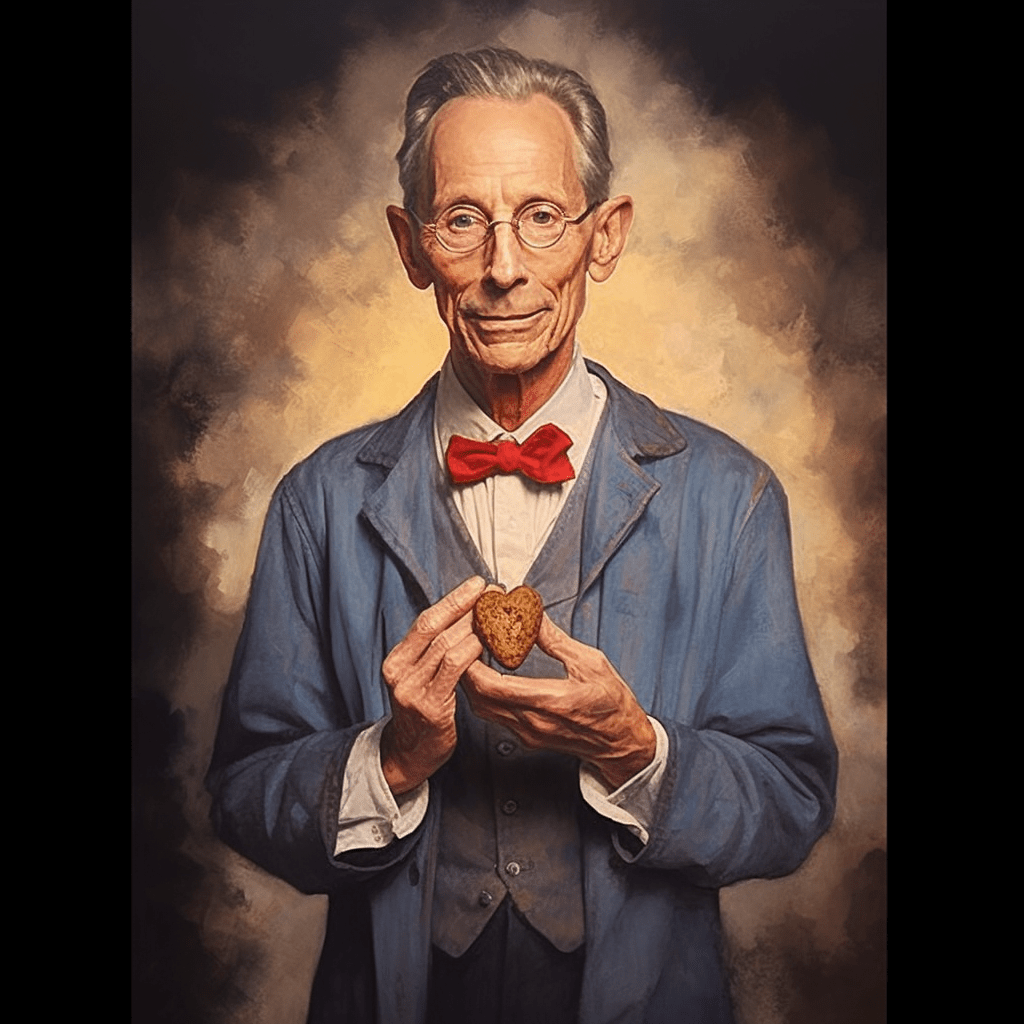




Neil Young’s “Heart of Gold,” one of the best-known tracks of his prolific career, holds a special place in the realm of folk-rock music. The song, released in 1972 as a part of the Harvest album, is a delicate yet profound exploration of aging, longing, and the constant quest for an elusive heart of gold.
Delving into the history of the song, one could say it was birthed from Young’s own experiences and emotions at a pivotal time in his life. Recovering from a back injury and unable to stand for long periods, Young turned to acoustic guitar instead of his usual electric instrument. This switch, combined with his introspective mood during his recovery, resulted in a number of profound, emotionally resonant songs on the Harvest album, “Heart of Gold” being among them. The song swiftly rose to popularity, becoming Young’s only U.S. number one single.
The lyrics of “Heart of Gold” paint a picture of a relentless quest, a journey guided by the pursuit of a metaphorical heart of gold. While this quest can be viewed as a search for a pure and genuine love, it could also be interpreted as the human pursuit of purpose, meaning, or a redeeming quality. Young, in this narrative, positions himself as a weary traveler, crossing oceans and continents, and aging as he seeks his heart of gold.
Emotionally, the song resonates with a deep sense of longing and melancholy, reflecting on the passage of time and the inevitable process of aging. “I’ve been a miner for a heart of gold… and I’m getting old,” Young sings, pointing out his relentless search and the physical toll it’s taking on him. This repetition of his increasing age throughout the song underscores the urgency and desperation of his quest.
The imagery in the song is powerfully evocative, transporting listeners to the various landscapes Young traverses in his quest. From the dust and grit of a gold mine to the expansive, solitude of the ocean, and the bright lights of Hollywood to the ancient majesty of the Redwood forest, each setting is carefully chosen and meticulously crafted to enhance the emotional resonance of the song.
Perhaps one of the most striking aspects of “Heart of Gold” is its universality. While it is deeply personal – a reflection of Young’s own thoughts and feelings – it also taps into universal human emotions and experiences. The longing for love and understanding, the relentless pursuit of something meaningful, and the awareness of one’s mortality are experiences that echo with listeners of all ages and from all walks of life.
In the canon of Neil Young’s work, “Heart of Gold” stands out as a deeply reflective piece that encapsulates a particular moment in the artist’s life while also resonating broadly with the human experience. Its evocative imagery, emotional depth, and lyrical simplicity combine to create a song that continues to touch hearts and inspire introspection, decades after its first release.

 Imagine Music AI