






















The rich tapestry of country music is woven with songs that pull at the heartstrings, and Trisha Yearwood’s “Walkaway Joe” holds a thread of its own in this narrative quilt. The song, released in 1992, is a narrative ballad that takes listeners on a journey through a young woman’s encounter with love, deception, and eventual heartbreak.
“Walkaway Joe,” written by Vince Melamed and Greg Barnhill, tells the story of an ‘average Jane’ who falls for a charismatic but unreliable young man, referred to as a ‘Walkaway Joe.’ A quintessential country song, it uses evocative lyrics to paint vivid imagery, transporting listeners into the world of its characters, and helping them experience the emotions of the young woman’s journey.
The history of the song is a testament to Yearwood’s keen eye for powerful storytelling. When she heard the song for the first time, she was instantly captivated by its narrative strength and emotional depth. Yearwood’s rendition of “Walkaway Joe” was the second single from her second album, “Hearts in Armor,” and it quickly climbed to the number two spot on the Billboard Hot Country Songs chart, further solidifying her place in the country music scene.
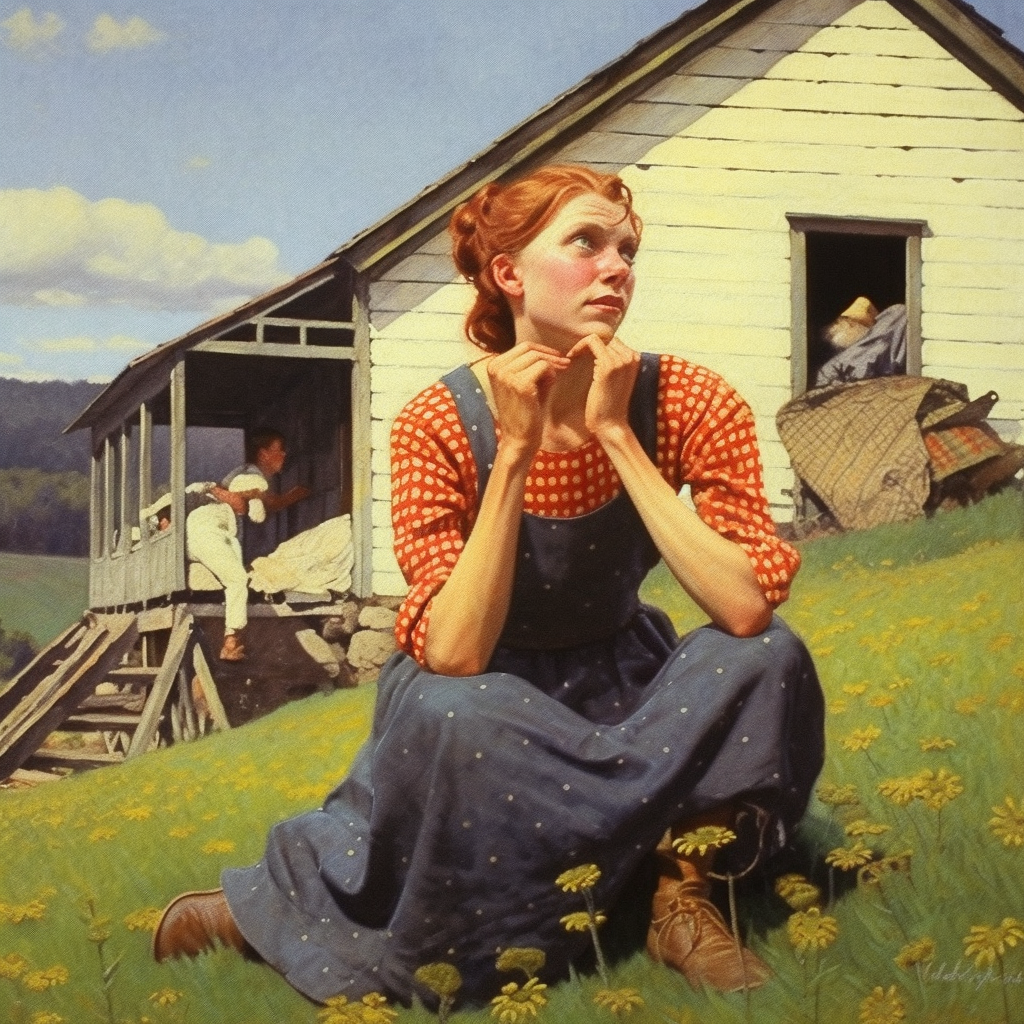
What sets “Walkaway Joe” apart is the complexity and authenticity of its characters. The young woman, despite her mother’s warnings, is drawn towards a charming but fickle young man. She’s painted as hopeful, innocent, and perhaps a bit naive, qualities that make her relatable to listeners. The ‘Walkaway Joe’, on the other hand, is depicted as alluring yet untrustworthy, reinforcing the age-old warning of appearances being deceiving.
The song is filled with evocative imagery. From the young woman waiting in the car under the Texaco star to the lonesome wake-up in a roadside motel room, each scene is carefully crafted to further the narrative and amplify the emotions conveyed. The lyrics build a landscape of rural America, one that is as beautiful as it is melancholic. The ‘tank of dreams’ and the ‘roadside motel room’ symbolize the young woman’s journey, her hopes, and her eventual disappointment.
The emotions portrayed in the song are powerful and resonate with listeners, even years after its release. The naive hopefulness of young love, the crushing realization of betrayal, and the bitter wisdom gained from the experience are all encapsulated in the song. Yearwood’s soulful voice brings these emotions to life, making “Walkaway Joe” a song that listeners find themselves coming back to.
“Walkaway Joe” is a poignant reminder of the trials of young love, the allure of the unknown, and the hard lessons life often teaches us. Its meaningful lyrics, powerful imagery, and relatable emotions have secured its place in the annals of country music. Trisha Yearwood’s rendition continues to captivate listeners, making “Walkaway Joe” a testament to the power of authentic storytelling in music.

 Imagine Music AI