











From the opening notes of Sting’s “Fields of Gold,” we’re led on a poignant journey through a landscape painted with vivid, emotional imagery. Released in 1993 as part of the album “Ten Summoner’s Tales,” this song remains one of the most evocative pieces of Sting’s solo career, a testament to his exceptional songwriting ability.
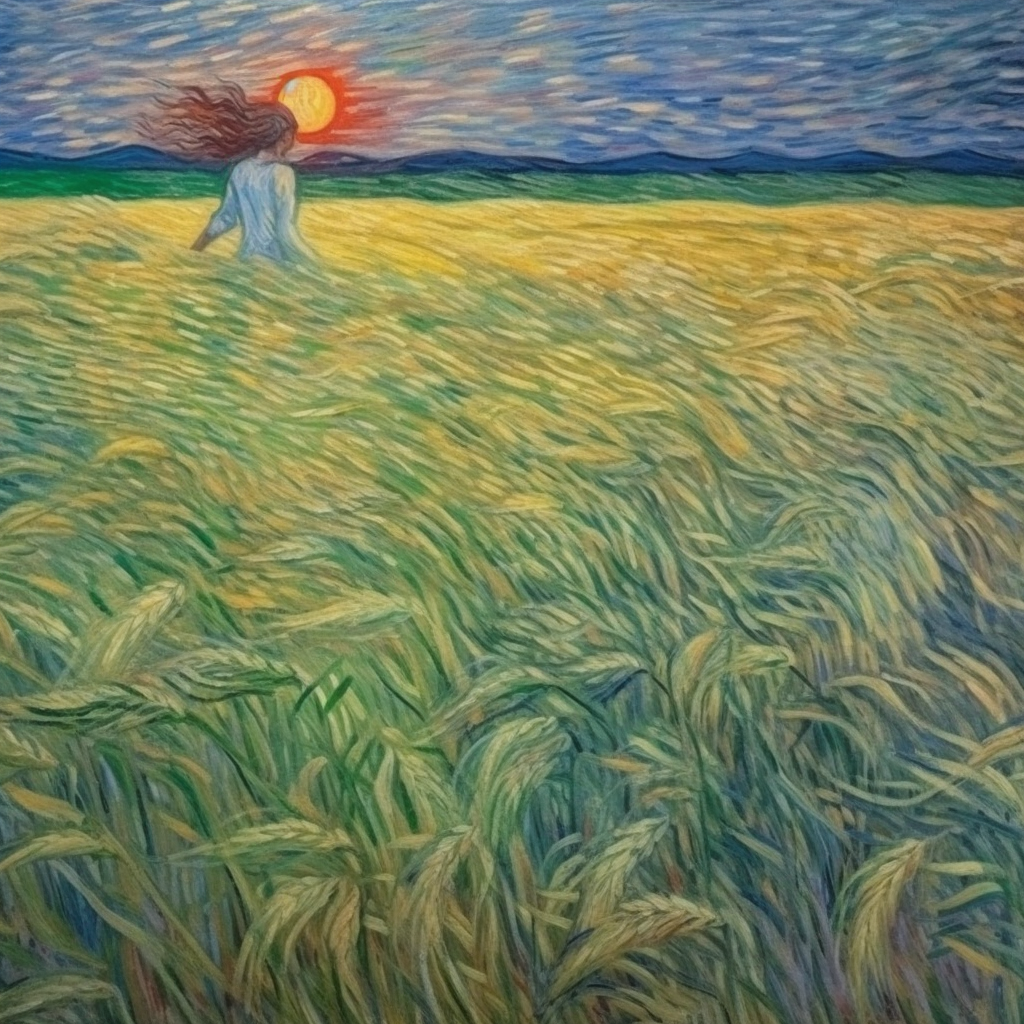
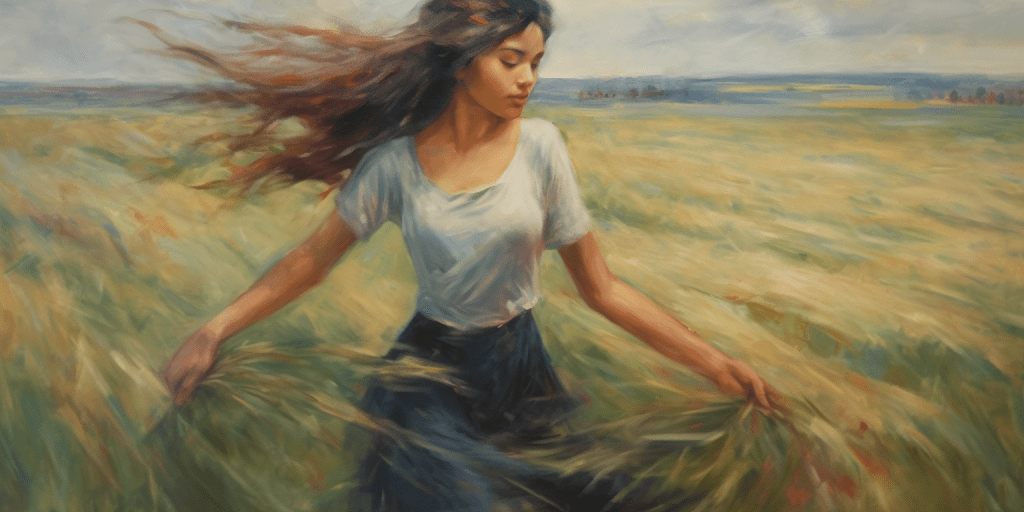
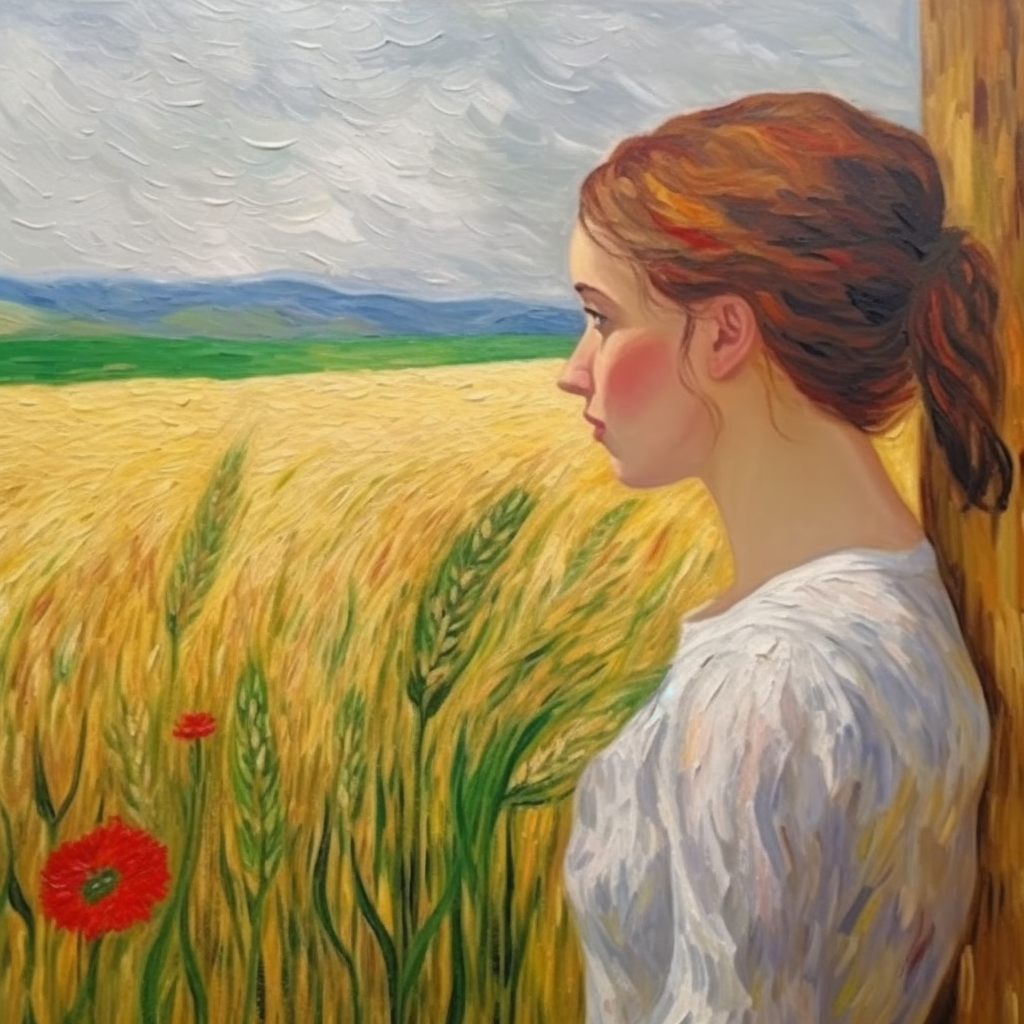
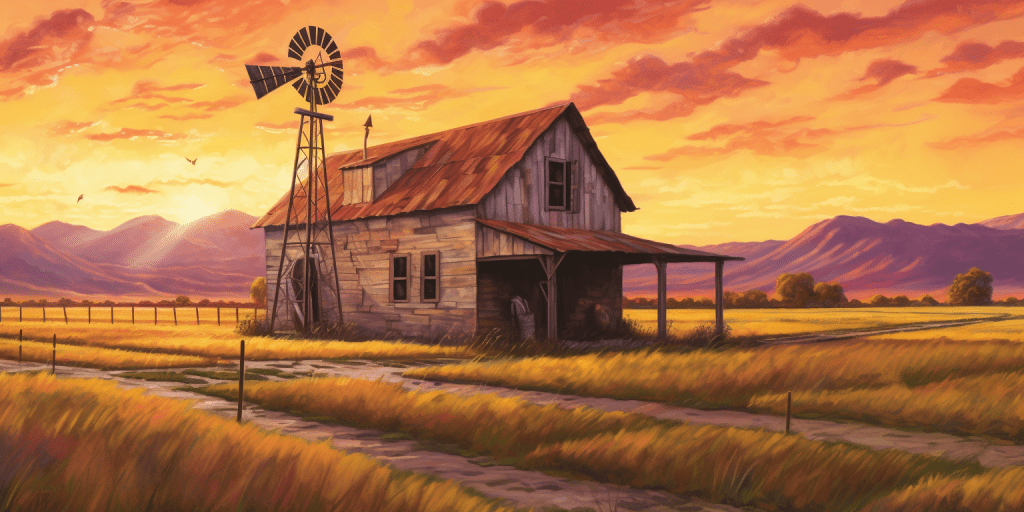
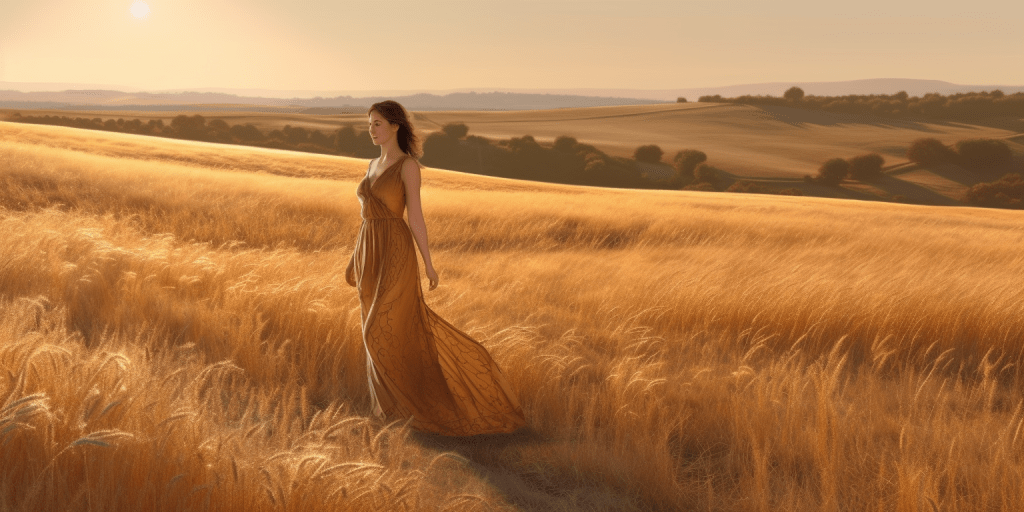
The lyrics of “Fields of Gold” are akin to a beautiful pastoral painting, the kind that captures the idyllic English countryside. The song, however, is not just a homage to this picturesque setting, but also a moving love story that unfolds in its fields of barley. Sting, born Gordon Sumner in Northern England, often infuses his work with references to his native land, and “Fields of Gold” is no exception. It is a love letter to both a beloved person and a beloved place.
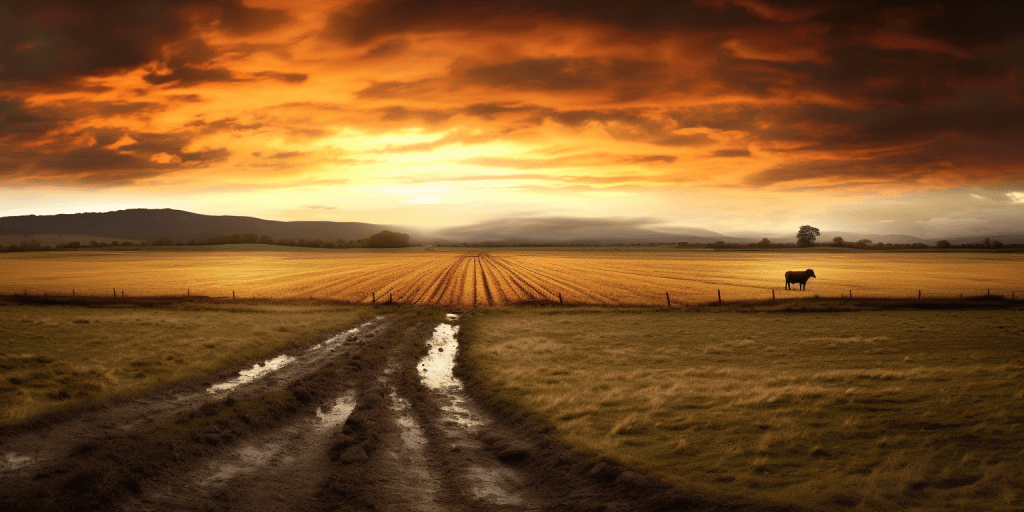
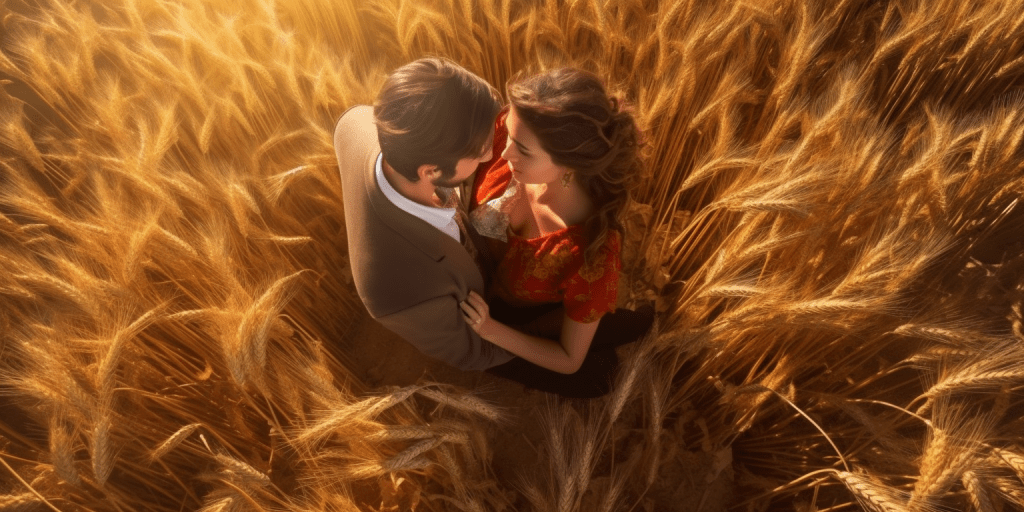
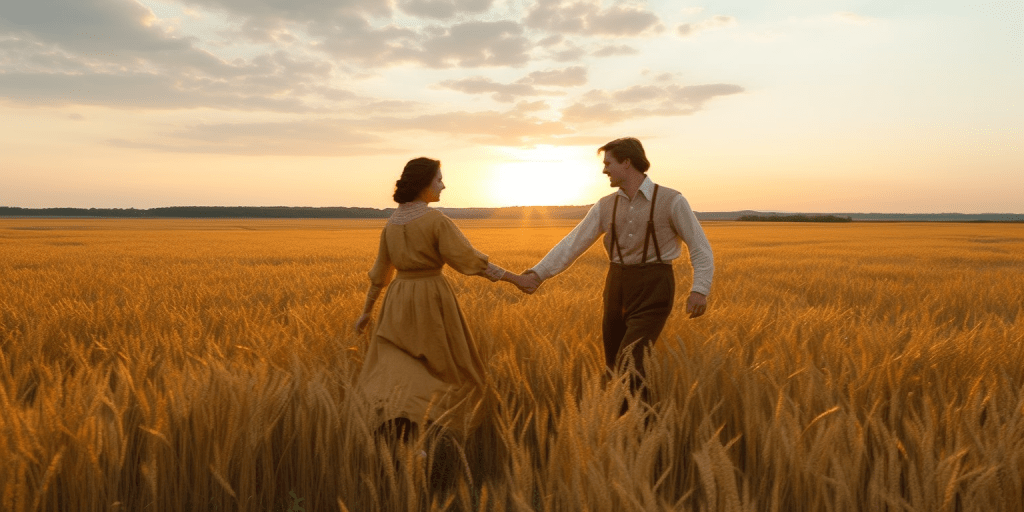
Sting’s vivid imagery places us right in the heart of the English countryside. The song transports us to a world where the west wind moves upon the fields of barley, where the sun shines with a jealous intensity, and where lovers lie in fields of gold. It invites us to feel the west wind on our skin, to squint against the bright sun, and to walk hand-in-hand with a loved one through golden fields.
“Fields of Gold” is also deeply evocative, tapping into universal human experiences and emotions. The golden fields of barley, waving in the wind, become a metaphor for the cycles of life and love. The lyrics explore love’s transformative power, promising eternal devotion against the backdrop of these transient fields. As the barley is harvested and the seasons change, the song speaks to the passage of time, the fleeting nature of life, and the enduring power of love.
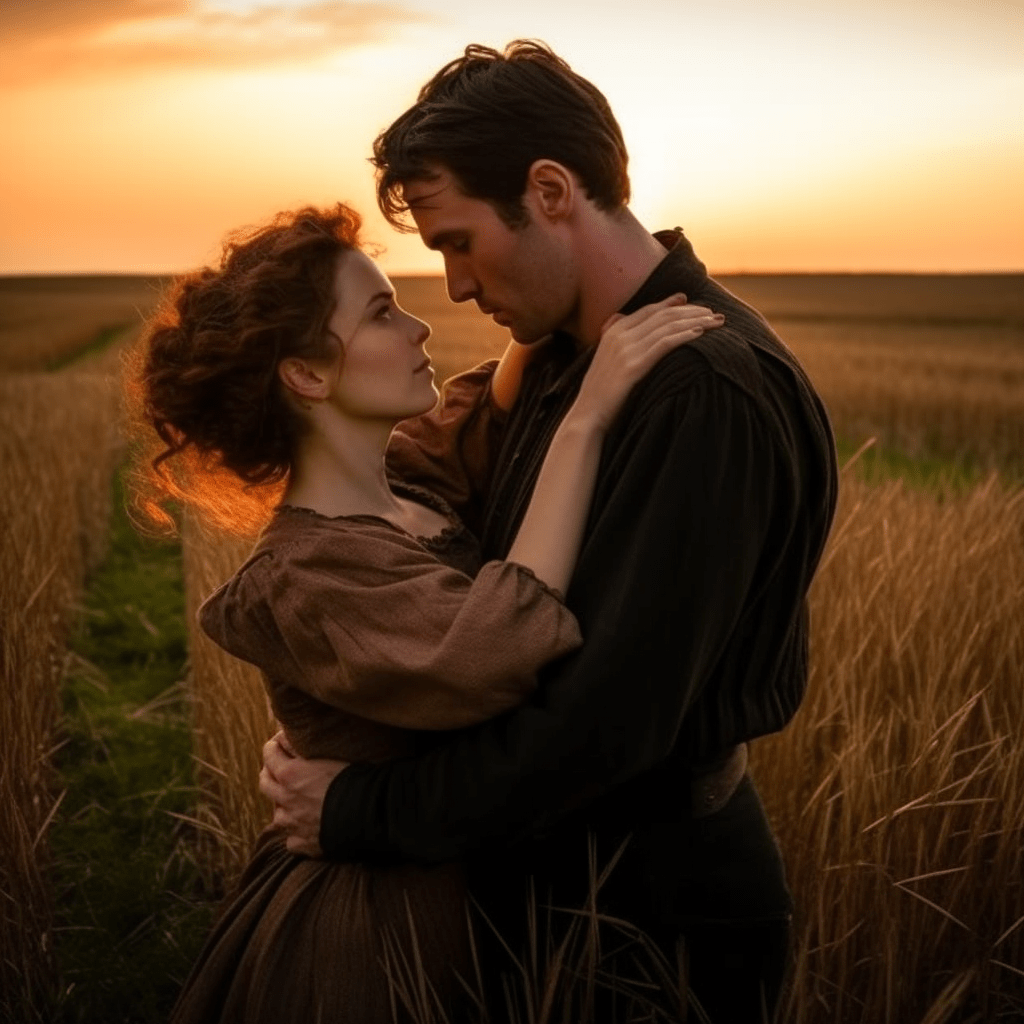
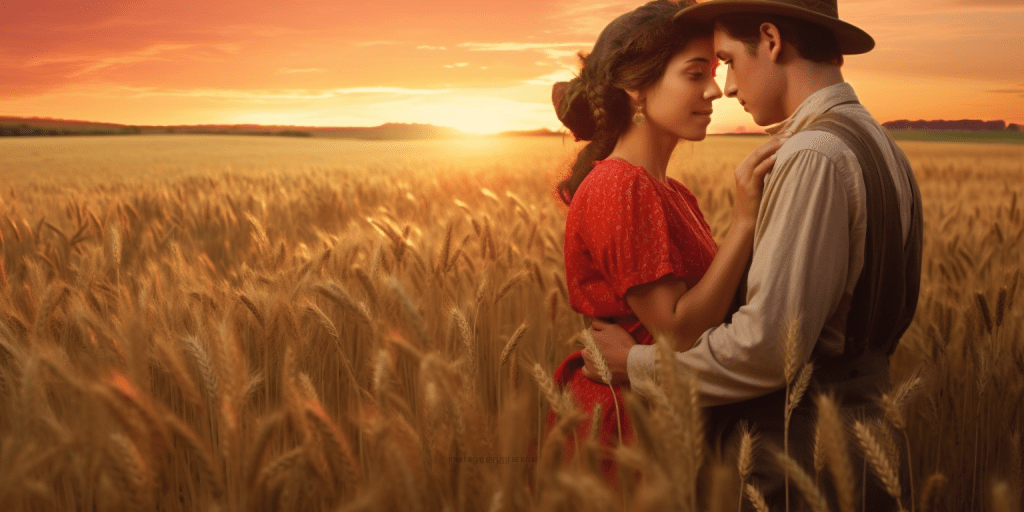
The song is deeply romantic, filled with sweet promises and tender moments. The lovers in the song share an intense connection, with verses like “Feel her body rise when you kiss her mouth” reflecting their deep physical and emotional bond. Yet, there is also an undercurrent of melancholy, a sense of longing and loss, as the protagonist reflects on the promises made and those broken.
In many ways, “Fields of Gold” is also a song about memory. As the years pass, the fields of barley witness children running as the sun goes down, and the protagonist fondly remembers walking with their love in the fields of gold. It conveys a sense of nostalgia, a longing for days gone by, and the memories made in those fields that will forever be treasured.
Sting’s “Fields of Gold” is a powerful testament to his lyrical prowess and musical genius. Through his words, he paints a picture that’s as vivid as it is moving, one that stays with the listener long after the song ends. It’s a song about love, longing, and the beauty of shared moments, set against the stunning backdrop of the English countryside. With “Fields of Gold,” Sting has created a captivating landscape of memory and emotion, a testament to the enduring power of love, and the indelible mark it leaves on the landscape of our lives.

 Imagine Music AI