









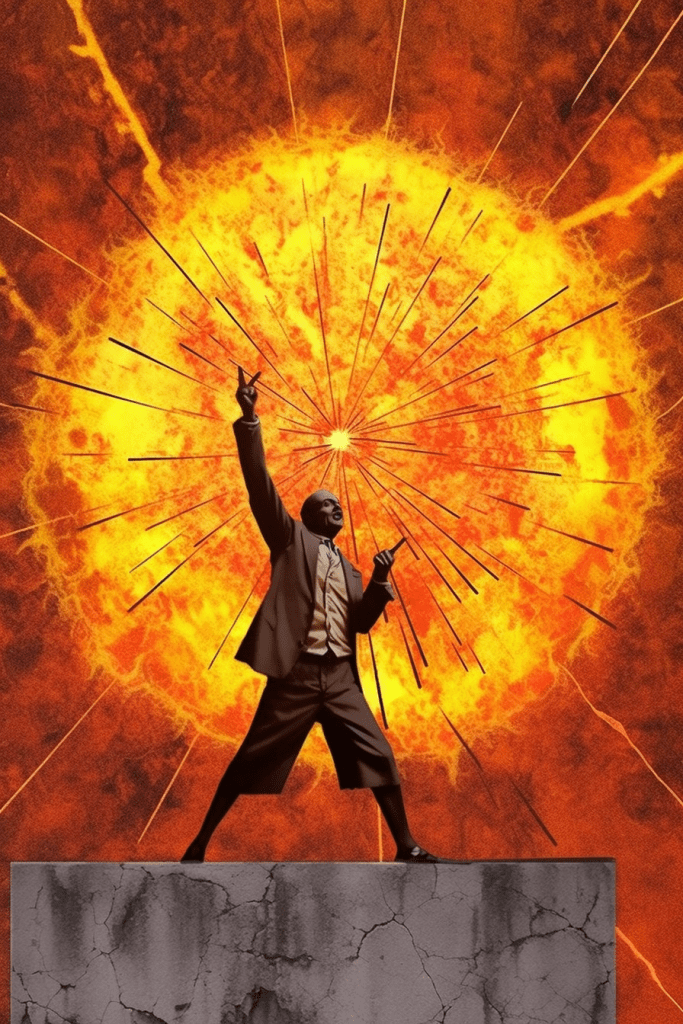
















Bohemian Rhapsody, a song that so deeply resonates in the hearts of music lovers worldwide, is the brainchild of Freddie Mercury and the rock band Queen. Released in 1975 on the album “A Night at the Opera”, this masterpiece is perhaps one of the most iconic rock songs that has managed to capture the intrigue and admiration of generations.
The song, clocking in at nearly six minutes, defied the conventions of its time. Rather than sticking to a standard verse-chorus structure, Bohemian Rhapsody is an audacious blend of styles, seamlessly transitioning from ballad to opera to hard rock and then to a reflective coda. This unconventional structure was initially met with skepticism, but the song’s commercial success proved that it had touched a chord with listeners.
A large part of Bohemian Rhapsody’s appeal lies in its compelling, albeit somewhat cryptic, lyrics. The song begins with a melancholic lamentation, seemingly of a man who’s committed a grave crime. As the protagonist pleads for mercy, the song takes an operatic turn, introducing a choir-like ensemble that raises the emotional stakes. This operatic section is followed by a hard rock passage, culminating in a reflective ending that brings the listener back to the song’s melancholic beginnings.
The lyrics, while being somewhat elusive, are replete with raw emotion and vivid imagery. Mercury’s words paint a picture of anguish, regret, despair, defiance, and finally, resignation. These emotions are further amplified by Mercury’s powerful and emotive vocal performance, making Bohemian Rhapsody an intensely evocative musical experience.
The imagery in the song is equally striking. From a young man caught in a landslide with no escape from reality, to a silhouetto of a man caught in a maelstrom of thunderbolts and lightning – these images add another layer of depth to the song. Each of these images is open to interpretation and has spurred many discussions among fans and critics alike about the song’s underlying meaning.
Freddie Mercury, the principal writer of the song, was famously tight-lipped about the true meaning behind the lyrics. He often insisted that the lyrics were merely a string of ‘random rhyming nonsense’. However, many have speculated that the song is an introspective piece, with Mercury exploring his personal struggles.
Despite the enigmatic nature of its lyrics, Bohemian Rhapsody continues to resonate with listeners around the world. The song’s ability to evoke such a broad range of emotions is a testament to its universal appeal. Whether it’s the infectious melody, the poignant lyrics, or the innovative structure, there’s something in Bohemian Rhapsody for everyone.
Queen’s Bohemian Rhapsody, with its amalgamation of different musical styles and its deep, emotional narrative, broke the mold of traditional songwriting. It has left an indelible mark on the world of music and continues to inspire musicians and listeners alike, proving that music, at its best, can transcend boundaries and touch the deepest corners of our hearts.

 Imagine Music AI