

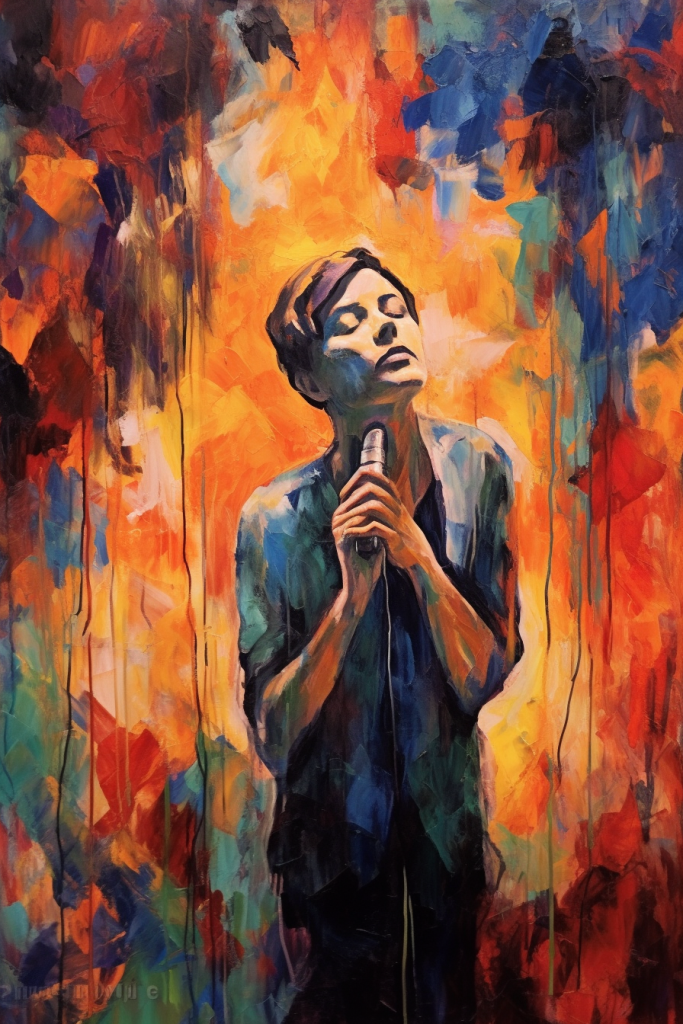












In 1981, the rock band Journey released their seventh studio album, “Escape,” which featured a song that would go on to become one of the most recognizable anthems of hope and perseverance in modern music history. “Don’t Stop Believin'” is a song that has resonated with generations of listeners, transcending time and trends, and remaining a popular fixture in our collective consciousness. In this article, we explore the history, meaning, emotions, and imagery that contribute to the song’s enduring impact.
Written by Journey’s lead vocalist Steve Perry, guitarist Neal Schon, and keyboardist Jonathan Cain, “Don’t Stop Believin'” is often described as a power ballad, characterized by its anthemic chorus and soaring vocals. The song is a masterclass in storytelling, weaving together the tales of a small-town girl and a city boy who find themselves lost in a world full of uncertainty and challenges.
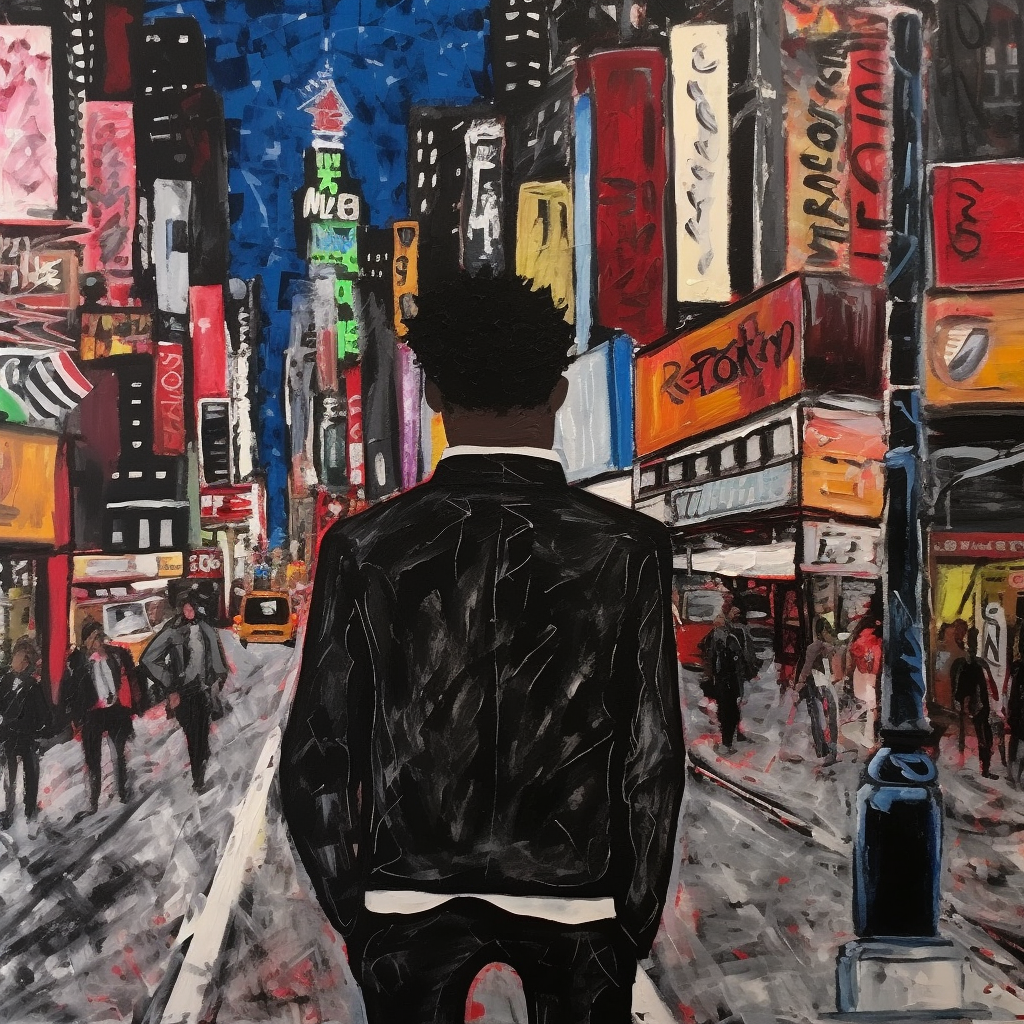
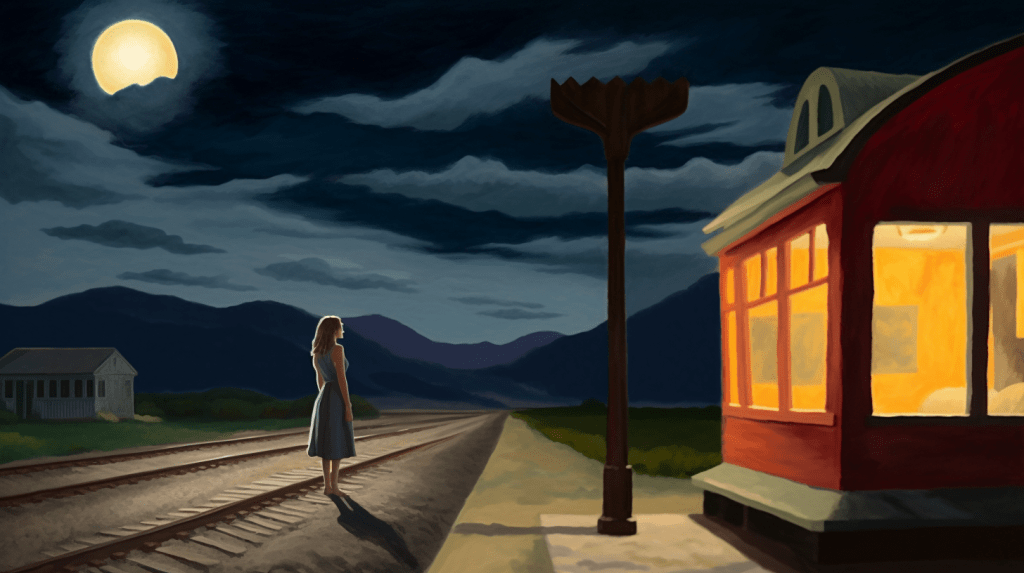
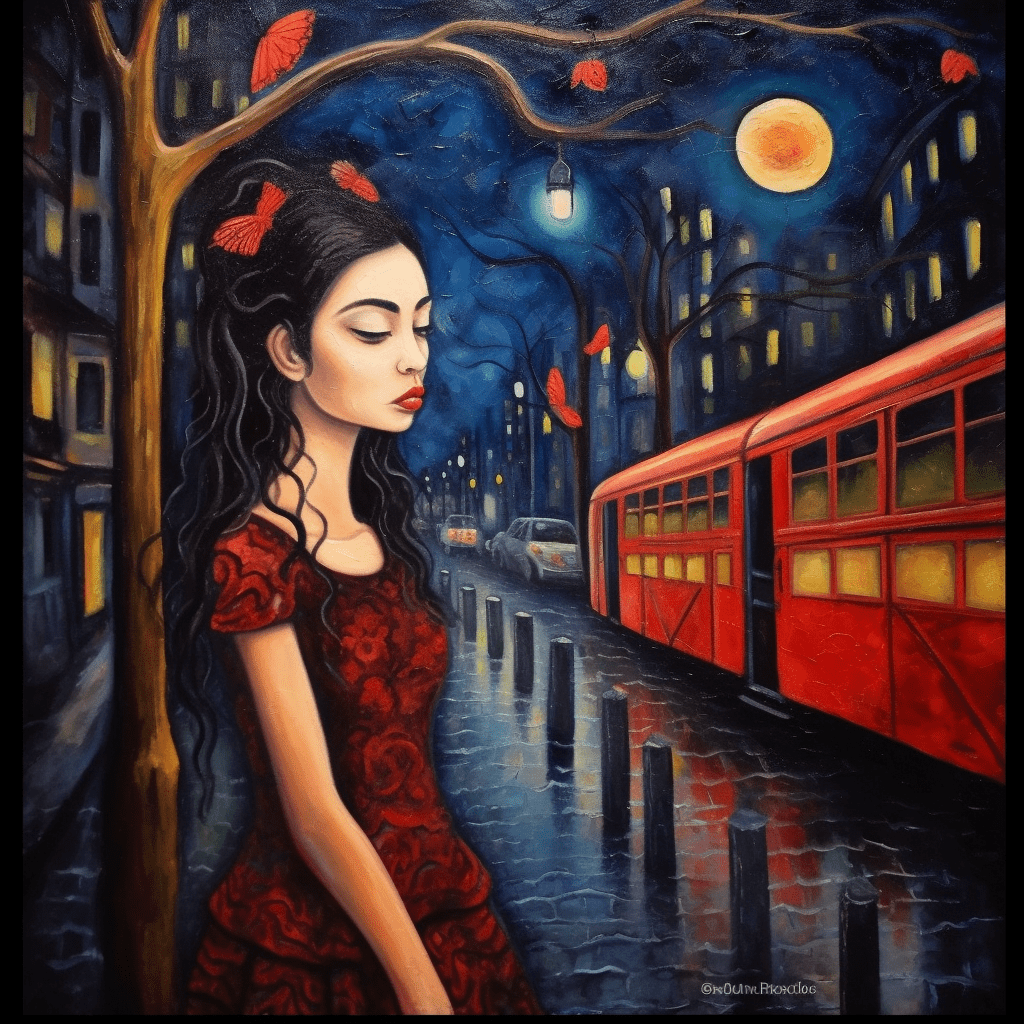
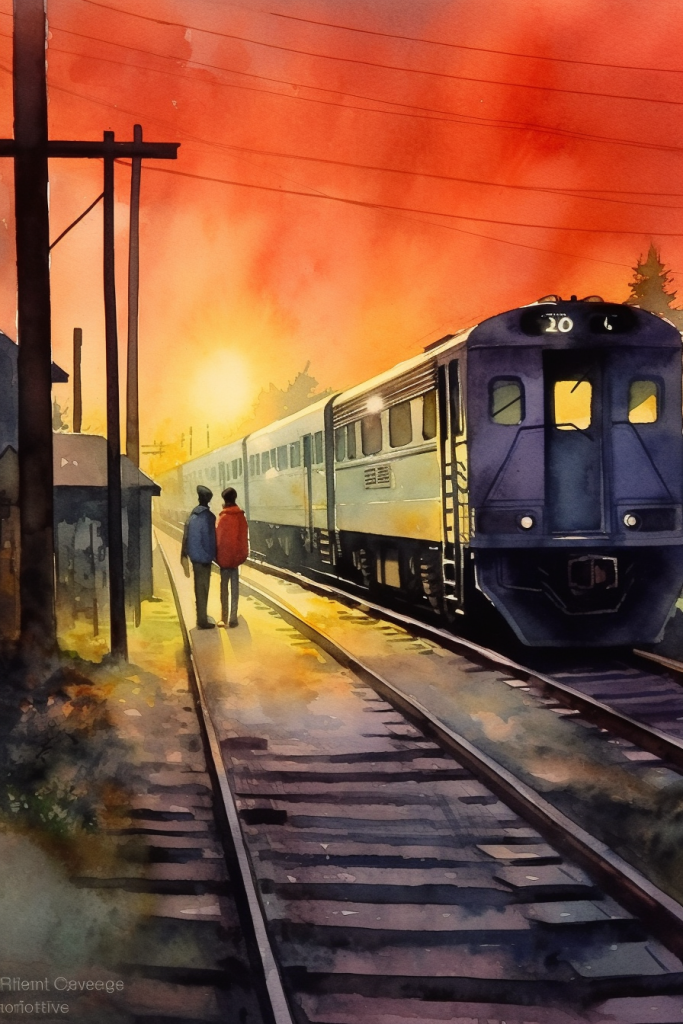
The lyrics paint vivid images of the characters’ lives as they embark on their respective journeys in search of their dreams. The small-town girl, living in a lonely world, boards a midnight train with an unknown destination, while the city boy, raised in South Detroit, embarks on a similar quest. These separate stories ultimately converge in the song’s iconic refrain, as they both discover the power of belief and hope in the face of adversity.
The emotions conveyed in “Don’t Stop Believin'” are universally relatable. The song speaks to the human experience of longing, hope, and the desire to overcome obstacles in the pursuit of our dreams. Whether it’s a teenager yearning for a better life, a young adult navigating the challenges of the real world, or an older individual reflecting on their past, the song’s message of hope and perseverance resonates with people of all ages and backgrounds.
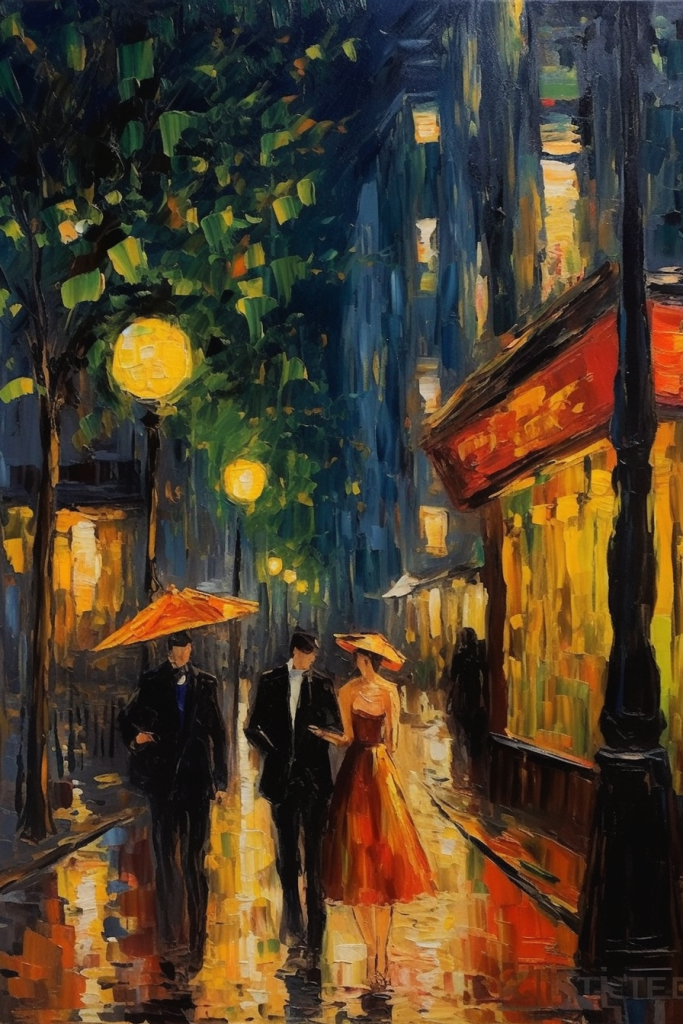
The imagery in “Don’t Stop Believin'” is another key factor in its enduring appeal. From the opening lines describing a lonely world to the scenes of strangers waiting on the boulevard, the song transports listeners to a world where the ordinary meets the extraordinary. The evocative descriptions of streetlights, shadows, and smokey rooms create a sense of atmosphere and place that has captured the imagination of countless fans.
The song’s impact has been further solidified by its prominent use in popular culture, appearing in films, television shows, and even Broadway productions. Perhaps most notably, “Don’t Stop Believin'” found a new generation of fans when it was featured in the final episode of the hit television series “The Sopranos” and became the unofficial anthem for the cast of the musical television show “Glee.”
In conclusion, the history, meaning, emotions, and imagery of “Don’t Stop Believin'” contribute to its enduring impact on listeners across generations. The song’s message of hope and perseverance has resonated with fans since its release in 1981, and it continues to be a source of inspiration for those who face challenges in their pursuit of their dreams. While trends in music may come and go, the power of Journey’s “Don’t Stop Believin'” remains a constant reminder of the human spirit’s resilience and the transformative power of belief.

 Imagine Music AI