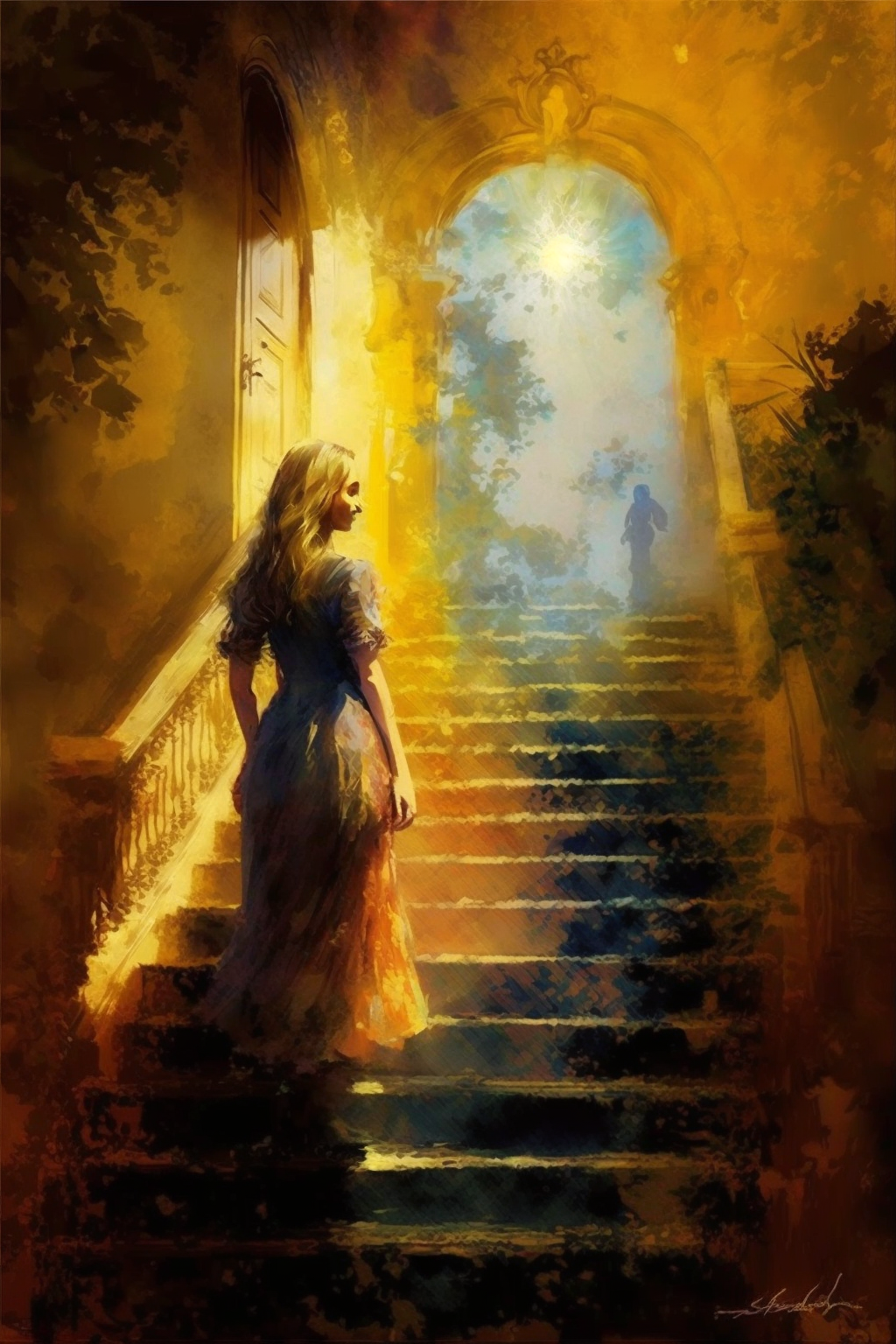


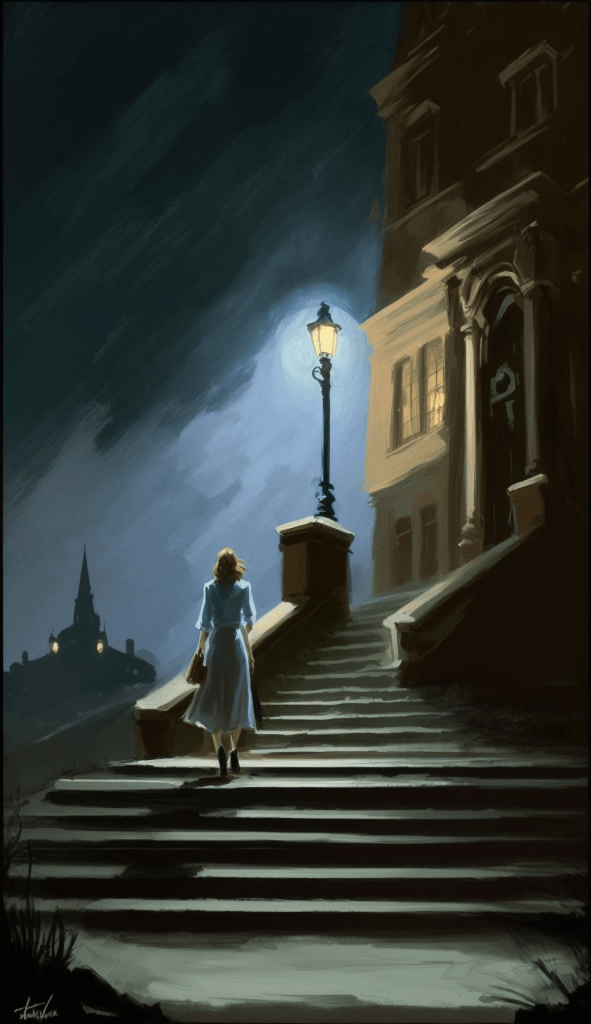








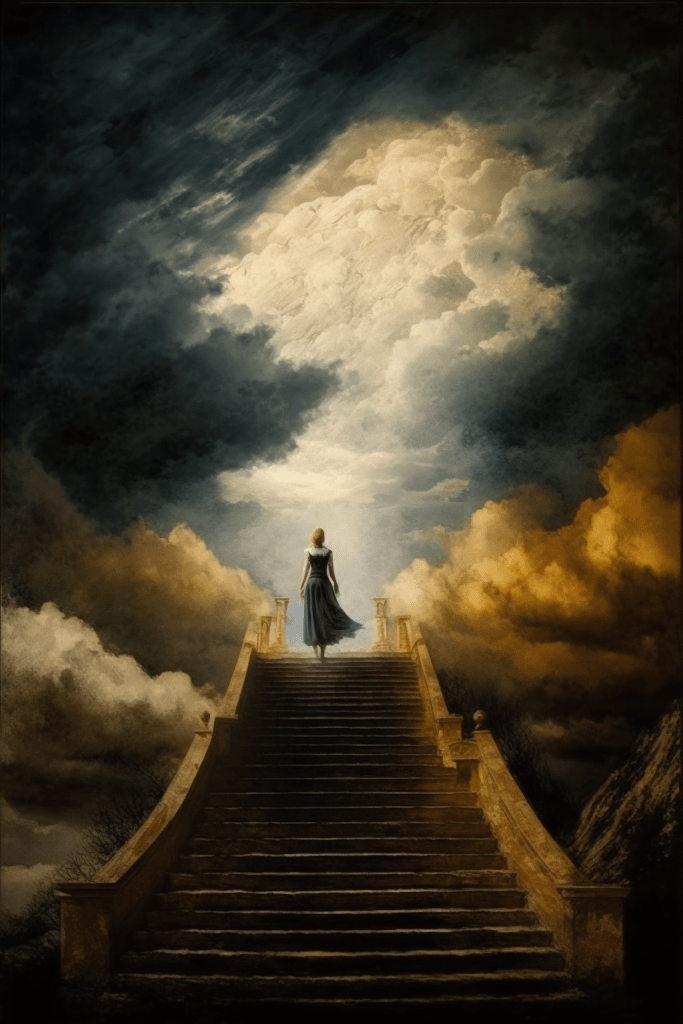
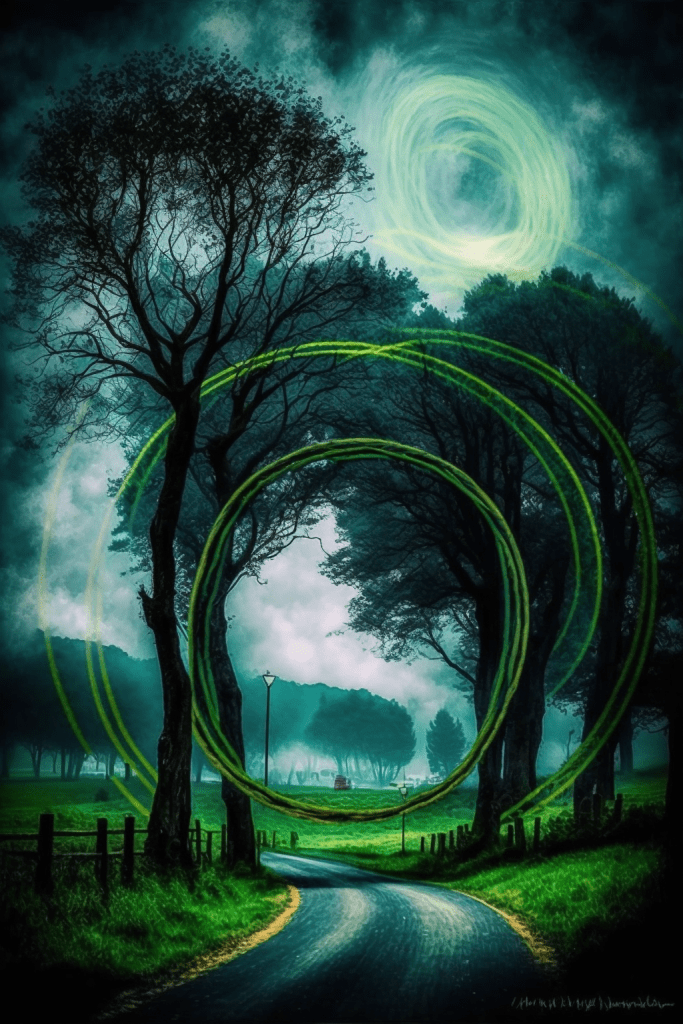



Since its release in 1971, “Stairway to Heaven” has captivated listeners with its intricate melodies, vivid imagery, and evocative emotions. The song, which was composed by guitarist Jimmy Page and vocalist Robert Plant for Led Zeppelin’s fourth studio album, Led Zeppelin IV, is often hailed as one of the most influential and beloved rock songs in history. This article will delve into the song’s history, explore the meaning behind its lyrics, and examine the emotional and visual landscape it creates.
“Stairway to Heaven” was primarily composed by guitarist Jimmy Page at his home, Bron-Yr-Aur, a remote cottage in Wales. It is said that Page was inspired by the natural beauty of the area and a desire to create a song that would showcase the range of his musicianship. As he began to develop the melody, Robert Plant added lyrics, drawing from various sources, including Celtic folklore and the works of J.R.R. Tolkien. The song was recorded at various locations, including Headley Grange, a former Victorian workhouse in Hampshire, England, and Island Studios in London.
The lyrics of “Stairway to Heaven” are known for their abstract and poetic nature, which has led to numerous interpretations. The song begins with a woman who is convinced that all that glitters is gold and seeks to buy a stairway to heaven. This could be seen as a commentary on materialism and the quest for spiritual fulfillment. The lyrics also touch on themes of nature, mysticism, and existentialism.
As the song progresses, it explores the duality of human nature and the power of choice. The lines “Yes, there are two paths you can go by, but in the long run / And there’s still time to change the road you’re on” suggest that one can always make different choices and change their life’s direction. This message resonates with many listeners who find comfort and inspiration in the idea that change is possible.
“Stairway to Heaven” is renowned for its emotive power and evocative imagery. The song’s gradual build-up, from a gentle, folky introduction to a powerful, guitar-driven climax, mirrors the listener’s emotional journey. The music and lyrics work together to create a sense of longing, wonder, and introspection.
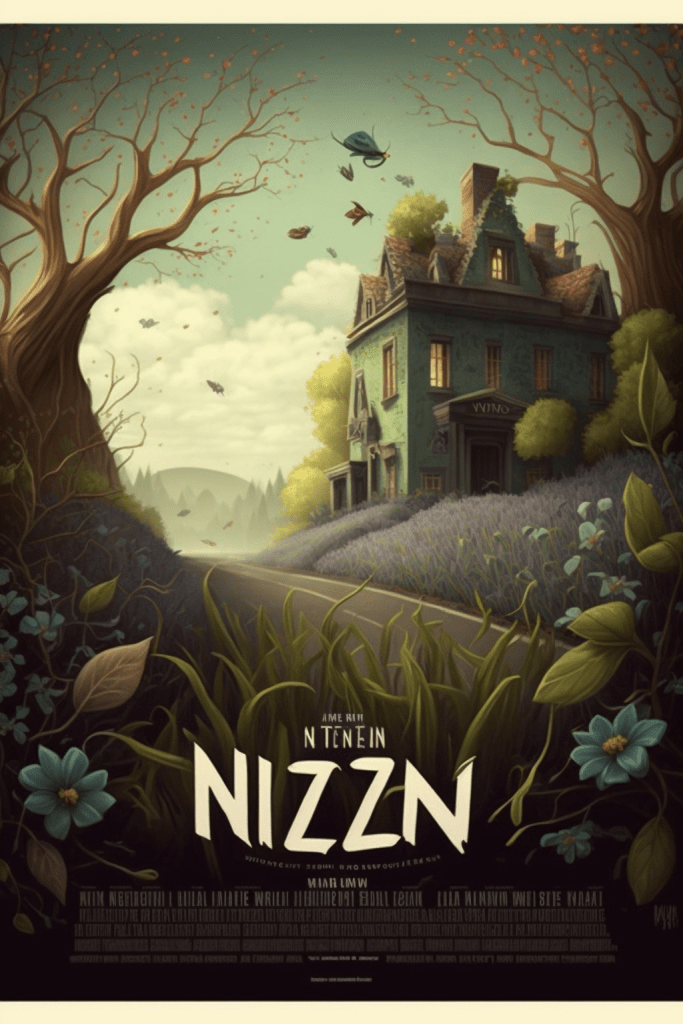
The song’s vivid imagery also plays a significant role in its enduring appeal. Lyrics such as “rings of smoke through the trees” and “the forests will echo with laughter” paint a picture of a mystical, otherworldly landscape that invites the listener to lose themselves in its depths. This imagery, combined with the song’s musical complexity, creates a rich tapestry that rewards repeated listening and deep engagement.

 Imagine Music AI